
China Zero Tariffs Cut Africa Bath Export Costs
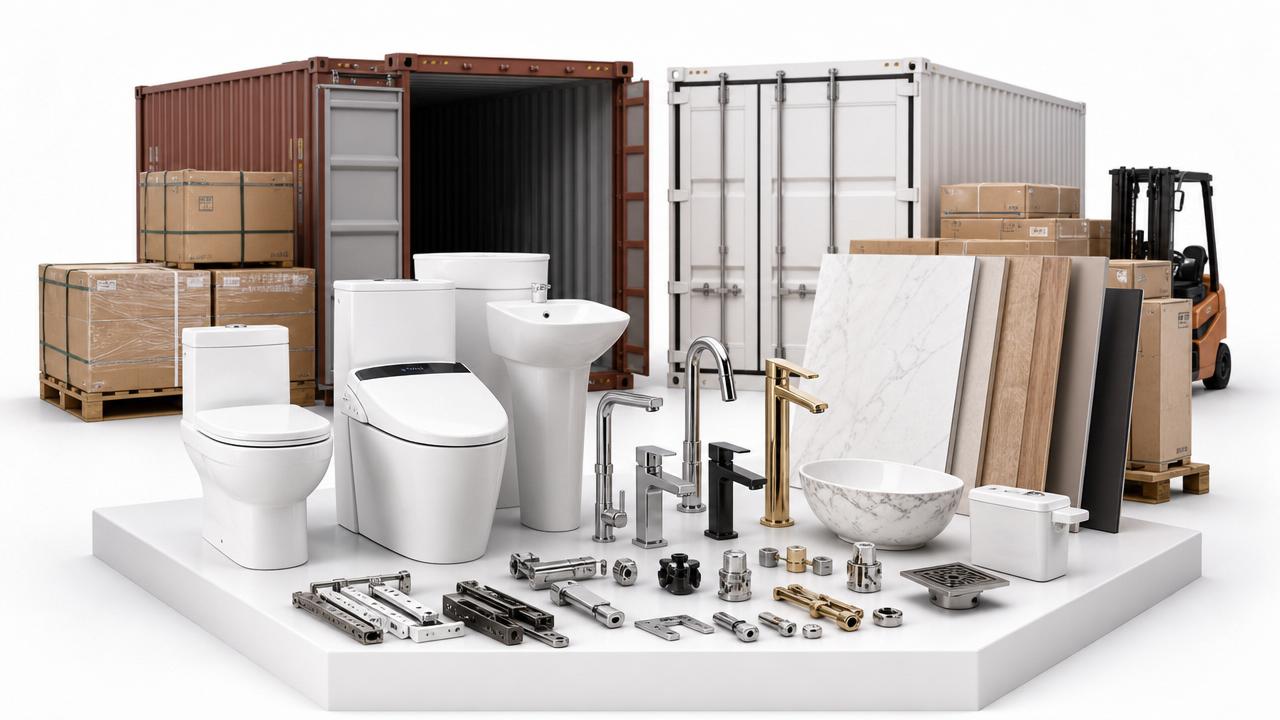
From May 1, 2026, China began applying a two-year zero-tariff policy, within quota, to 20 African diplomatic partners that are not classified as least developed countries. The measure covers several building and bathroom-related product categories, including ceramic sanitary ware, faucets, smart toilets, composite panels, and hardware accessories. For sanitary ware, building materials, hardware, export trading, distribution, and project supply chains, the policy is worth close attention because it may reduce procurement costs for African importers and improve the bidding position of Chinese suppliers in regional infrastructure and real estate projects.
Event Overview
According to the provided information, the policy took effect on May 1, 2026, and will run for two years within the applicable quota framework. It applies to 20 African countries that maintain diplomatic relations with China and are not least developed countries.
The covered product scope includes multiple building and bathroom product categories, such as ceramic sanitary ware, faucets, smart toilets, composite panels, and hardware accessories. The publicly available information indicates that the policy is expected to lower procurement costs for African importers and strengthen the competitiveness of Chinese suppliers in bidding for regional infrastructure and real estate projects.
Which Industry Segments Are Affected
Direct Export and Trading Companies
Direct export companies handling sanitary ware, building materials, and hardware products are among the first groups likely to be affected because the policy changes the tariff conditions for eligible trade flows. The main impact may appear in quotation structures, buyer negotiations, and project bidding comparisons where landed cost is a key factor.
From an industry perspective, exporters should not treat the tariff change as a simple price-cutting signal. The practical effect depends on whether the product, destination country, quota status, and transaction arrangement fall within the stated policy scope.
Manufacturers of Bathroom and Building Products
Manufacturers of ceramic sanitary ware, faucets, smart toilets, composite panels, and hardware accessories may see changes in inquiry patterns from African importers or project buyers. The reason is that lower tariff costs can make covered products more attractive in procurement planning, especially when buyers compare suppliers for infrastructure and real estate-related demand.
Analysis shows that the more direct influence for manufacturers is not only the possible increase in price competitiveness, but also the need to provide clearer product classification, documentation, and export coordination to support customers using the policy correctly.
African Importers and Project Procurement Buyers
African importers in the covered countries may benefit from reduced import costs for eligible products within quota. This can affect purchasing decisions for bathroom fixtures, building panels, and hardware used in construction, renovation, infrastructure, and real estate projects.
Observably, importers should pay close attention to whether specific products are included in the applicable categories and whether the quota conditions are met. The policy may support procurement cost optimization, but actual savings will depend on the final import procedure and compliance with the applicable rules.
Channel and Distribution Companies
Distributors and regional channel operators may be affected because lower import costs can influence product pricing, inventory planning, and supplier selection. For channels serving contractors, project owners, or building material retailers, covered Chinese products may become more competitive in certain purchasing scenarios.
From an industry perspective, distribution companies should review which product lines are most likely to be affected, rather than broadly assuming that all building materials will receive the same benefit.
Supply Chain and Trade Service Providers
Logistics, customs coordination, documentation, and trade service providers may also see increased demand for policy interpretation and shipment support. Because the policy is described as quota-based and time-limited, accurate product identification and transaction documentation may become more important in practical execution.
What deserves more attention now is the connection between tariff eligibility and actual shipment operations. Service providers may need to help exporters and importers verify documentation requirements, product categories, and destination applicability based on official rules.
What Companies and Practitioners Should Watch and How to Respond
Monitor Official Wording, Quota Rules, and Policy Updates
Companies should continue to follow official statements related to the two-year zero-tariff arrangement, especially details concerning quota management, eligible countries, and covered product categories. Since the provided information confirms a quota-based policy, the difference between being generally covered and being practically eligible may be important.
Analysis shows that companies should avoid making commercial commitments based only on a headline interpretation. Exporters and importers should confirm whether the exact product and transaction route fall within the confirmed policy scope before adjusting pricing or delivery terms.
Focus on Covered Product Categories and Transaction Links
The most relevant categories identified in the information are ceramic sanitary ware, faucets, smart toilets, composite panels, and hardware accessories. Companies operating in these categories should review their current Africa-related inquiries, quotations, and project leads to identify where the tariff change may affect buyer decisions.
From an industry perspective, the practical response should begin with product classification and order review. Firms can map which SKUs or product groups may be relevant, which African markets are within the stated country group, and which quotations may need updated cost explanations.
Separate Policy Signals from Actual Business Outcomes
It is more appropriate to understand this policy as a cost-condition change and a competitiveness signal, rather than as an automatic increase in orders. Lower tariffs may improve the attractiveness of eligible Chinese products, but actual business outcomes still depend on buyer demand, project timing, procurement standards, and execution details.
What deserves more attention now is whether importers and project buyers adjust sourcing behavior after the policy takes effect. Companies should track inquiry quality, product category changes, and project bidding feedback instead of relying only on general market expectations.
Prepare Documentation, Supply Chain Coordination, and Buyer Communication
Exporters and manufacturers should prepare clear product descriptions, category information, and transaction documents to support importers in applying the policy where eligible. Sales and export teams should communicate the policy carefully, making clear that benefits depend on the applicable quota and official rules.
Observably, a practical response is to coordinate early among sales, production, logistics, and documentation teams. This can help reduce delays when buyers request confirmation on tariff treatment, product eligibility, or shipment timing.
Editorial View / Industry Observation
Analysis shows that this policy currently means a potential reduction in import cost pressure for eligible African buyers and a possible improvement in the relative competitiveness of Chinese bathroom and building material suppliers. Its immediate relevance is strongest for product categories already named in the policy information, including ceramic sanitary ware, faucets, smart toilets, composite panels, and hardware accessories.
It is more appropriate to understand the measure as both a policy signal and a trade cost adjustment. It signals closer attention to Africa-related trade in building and bathroom products, while also creating a more favorable cost condition for eligible transactions. However, it should not yet be interpreted as a guaranteed market result for every exporter or product line.
From an industry perspective, the reason to keep watching this development is that the policy is time-limited, quota-based, and connected to specific product categories and countries. The most meaningful industry impact will depend on how companies apply the policy in real transactions and how buyers respond in procurement and project bidding.
Conclusion
The zero-tariff policy taking effect on May 1, 2026, is significant for the sanitary ware, building materials, hardware, export trading, distribution, and supply chain service sectors because it may lower eligible import costs and improve the bidding position of Chinese suppliers in African infrastructure and real estate-related projects.
A neutral reading is that the policy creates a favorable trade condition, not an automatic business outcome. Current industry participants should understand it as a cost and competitiveness signal that requires careful verification of product scope, country eligibility, quota conditions, and transaction execution.
Information Source Statement
Main source: Provided event information on China applying a two-year zero-tariff policy, within quota, to 20 African diplomatic partners that are not least developed countries, effective May 1, 2026.
Items requiring continued observation: subsequent official wording, quota implementation details, eligible product interpretation, destination-country application, and the actual response of importers, distributors, and project procurement buyers.
Industry Briefing
Get the top 5 industry headlines delivered to your inbox every morning.