
EU Imposes €3 Duty on Low-Value Parcels
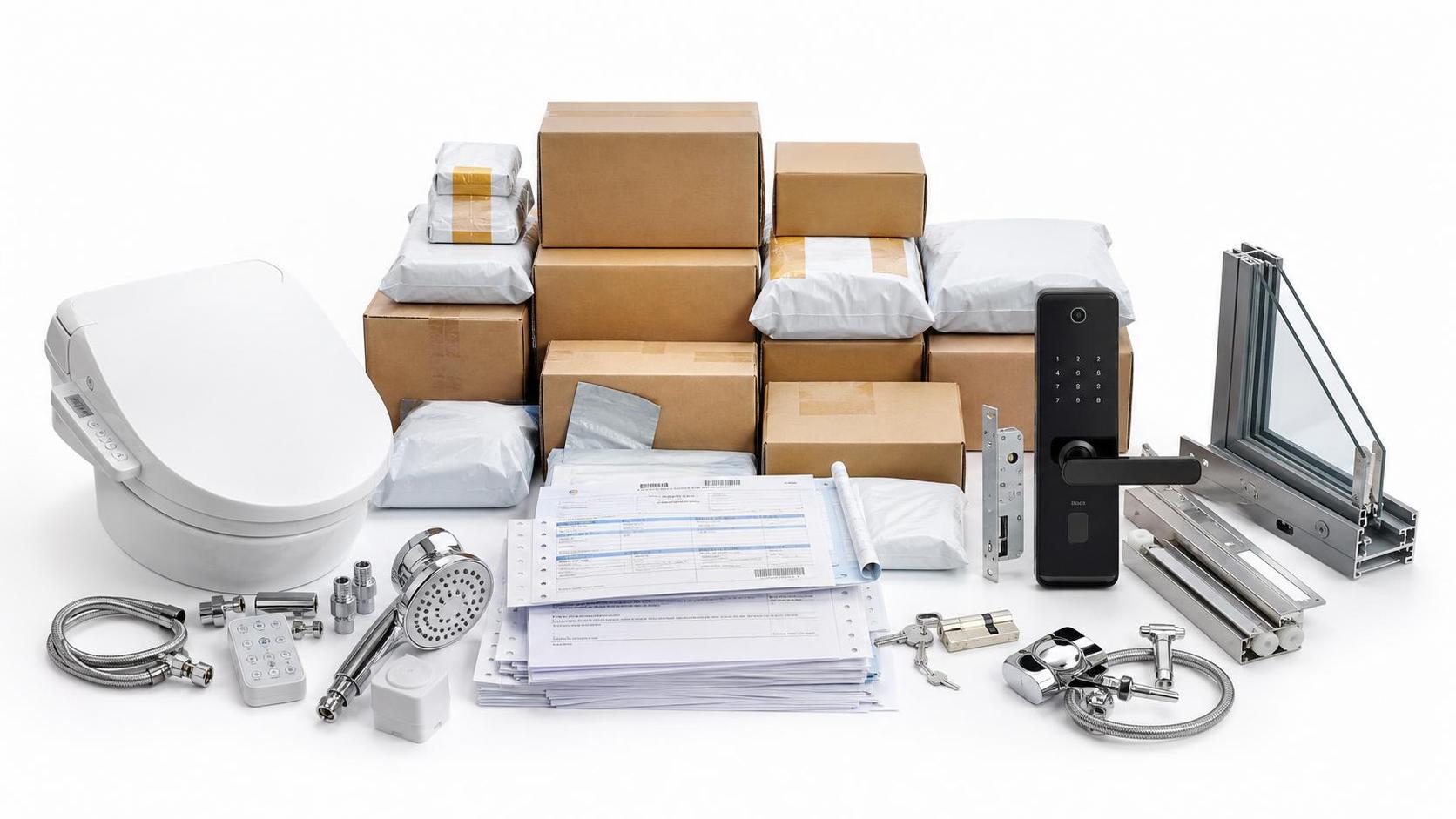
Starting July 1, 2026, the EU will apply a flat €3 duty to imported parcels valued at €150 or below, a change that directly raises landed costs for products such as smart toilets, shower sets, digital locks, and window hardware shipped into the market. For cross-border B2C sellers, smaller distributors, and fulfillment operators, the development is worth close attention because it affects both cost structure and customs execution, especially where low-value direct shipping has been part of the sales model.
What the new parcel rule confirms
According to the provided information, the new EU rule takes effect on July 1, 2026 and applies to imported small parcels with a declared value of no more than €150. A fixed €3 duty will be charged per parcel. The scope includes categories such as smart sanitary ware, shower products, digital locks, and window accessories.
The rule affects both FBA and seller-fulfilled shipping models. There is no exemption threshold under the stated arrangement. Importers are required to classify goods accurately at declaration and prepay the relevant charges; otherwise, they may face customs delays or returned shipments.
Where the pressure is likely to appear first
Low-value direct shipping faces immediate cost friction
From an industry perspective, the most immediate effect is on B2C direct shipping built around small parcels. Because the charge is imposed per parcel rather than described as product-specific in the provided information, sellers of lower-ticket hardware and smart home accessories may need to reassess shipment economics, especially when orders are fragmented across many parcels.
Smaller distributors may see procurement costs rise
Analysis shows that small and mid-sized distribution buyers are also likely to feel the impact. Where procurement relies on repeated low-value shipments, the added fixed duty can raise the total acquisition cost and change margin calculations at the purchasing stage.
Fulfillment and customs-facing operations carry higher execution risk
For logistics providers, customs brokers, and marketplace fulfillment teams, the issue is not only the extra charge but also declaration accuracy. The provided information makes clear that incorrect classification or failure to prepay can lead to clearance delays or returns, so the operational burden may increase alongside the cost burden.
What businesses should review now
Product classification should be checked in detail
What deserves closer attention is whether the product description, category mapping, and declaration documents for relevant items are consistent and accurate. For smart sanitary products, locks, and hardware accessories, classification errors could turn a cost issue into a delivery problem.
Shipping models need a practical cost review
Observably, companies using both FBA and self-fulfillment should compare how the fixed per-parcel duty changes order economics under each model. The key practical question is not only whether costs rise, but where parcel structure and order splitting make the effect more visible.
Prepayment and document readiness become operational priorities
Businesses should pay close attention to whether internal teams and service partners are prepared for prepayment requirements and customs documentation. In practice, this affects order processing, dispatch timing, and coordination between sellers, freight partners, and import-facing service providers.
Customer communication may need to be updated
For sellers shipping directly to EU buyers or supplying smaller distributors, it is reasonable to review how added duties and possible customs delays are explained in quotations, checkout terms, and delivery commitments. This is especially relevant where past customer expectations were built around low-friction small-parcel shipping.
How to read the signal at this stage
Analysis shows that this is more than a narrow customs adjustment for a single product group, because the rule applies across low-value imported parcels and covers both marketplace fulfillment and self-shipping. At the same time, it is more appropriate to understand the development as a clear operating rule change rather than as proof of a broader market outcome that has already fully played out.
Observably, the immediate certainty lies in the added duty, the absence of an exemption threshold in the provided summary, and the customs compliance requirement. What remains worth tracking is how businesses adapt shipment structures, documentation workflows, and pricing communication once the rule is implemented in day-to-day trade.
Why the update matters beyond the headline
The significance of this development lies in its effect on the mechanics of low-value cross-border trade. For smart bathroom products and hardware accessories in particular, the issue is not only a modest duty figure in isolation, but the way a fixed per-parcel cost can alter direct-shipping efficiency and raise the compliance stakes at customs.
At this stage, it is more appropriate to understand the news as a concrete short-term rule change with possible longer-term implications for shipping models and procurement behavior. The most prudent reading is neither to overstate the impact nor to treat it as routine, but to monitor how cost, classification, and fulfillment execution interact after July 1, 2026.
Basis of this article and what still needs verification
This article is based on the user-provided news title, event date, and event summary. For this type of development, commonly relevant source categories may include official notices, company announcements, industry association updates, authoritative media reports, and standards or customs-related documents.
A specific official source link was not provided in the input, so further verification remains necessary. Continued attention should be paid to any later official wording, implementation details, or operational guidance that may clarify declaration practice, prepayment procedures, and enforcement at customs.
Industry Briefing
Get the top 5 industry headlines delivered to your inbox every morning.