
Shenzhen Expo Signals New Smart Bath Buying Rules
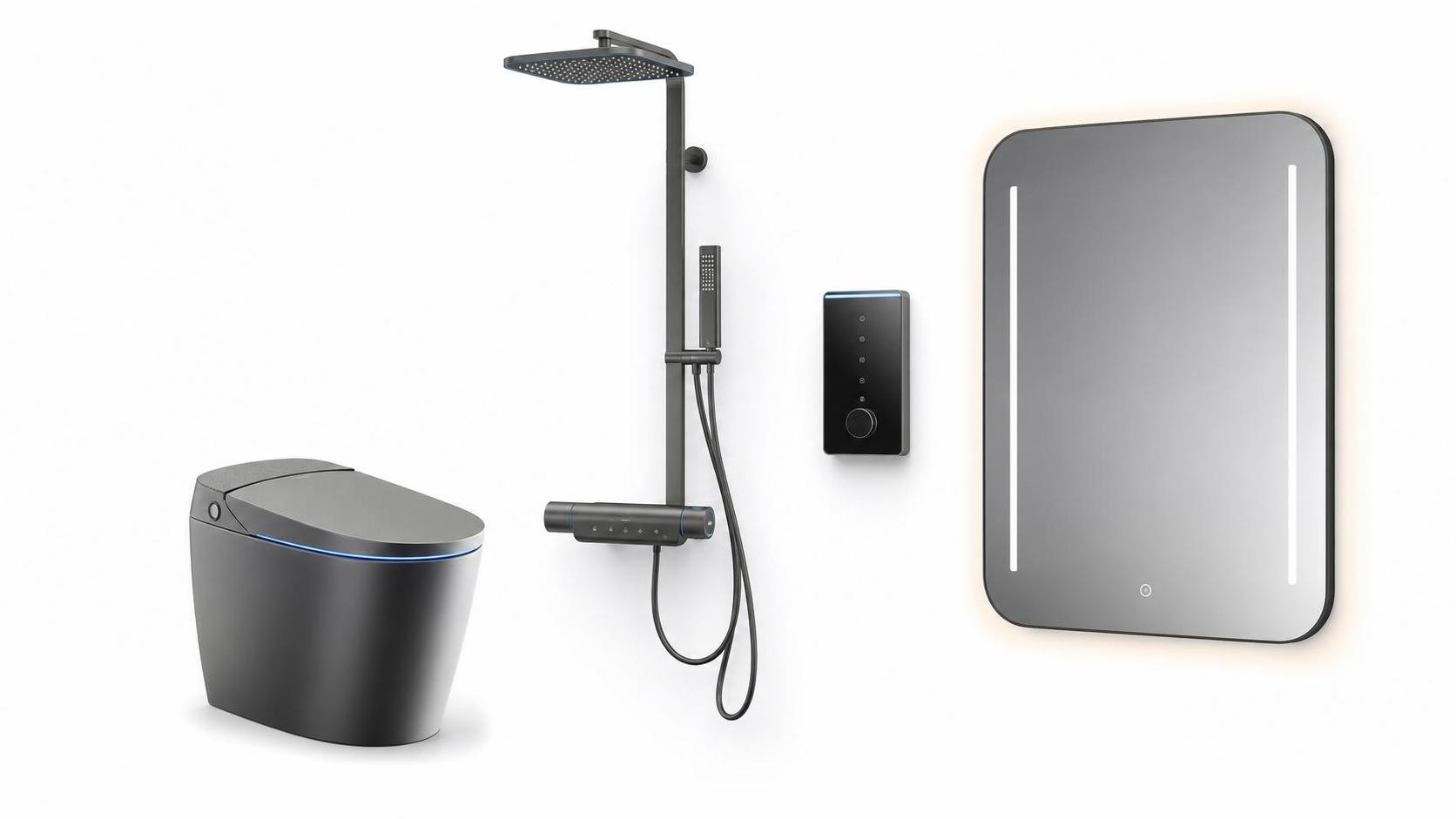
On June 16, 2026, the opening of the 12th Shenzhen International Cross-Border E-Commerce Trade Expo highlighted a practical shift in how smart bathroom products are being evaluated in export channels. The debut of a dedicated Smart Bath Ecosystem zone, together with strong attention from European and U.S. buyers and stated 2027 assortment targets from major retail platforms, suggests that procurement is moving from single-product sourcing toward system-based selection with higher expectations around product consistency, documentation, compliance readiness, delivery coordination, and after-sales support. For manufacturers, exporters, sourcing teams, certification-related service providers, and channel operators, this is worth watching not simply as a sales event, but as a signal that market access requirements may increasingly be shaped by integrated purchasing rules.
What was confirmed at the Shenzhen event
The 12th Shenzhen International Cross-Border E-Commerce Trade Expo was held from June 16 to 18 at the Shenzhen Convention and Exhibition Center. At this edition, a Smart Bath Ecosystem zone was established for the first time. Smart toilets, thermostatic shower systems, digital shower panels, and AI bathroom mirrors presented as system-oriented solutions drew strong attention from buyers from Europe and the United States. More than USD 27 million in intended smart bathroom orders were reached on site. Germany-based Hornbach and the Netherlands-based Bol.com also clearly stated that from 2027, they plan to raise the share of smart bathroom SKUs to 40%.
Why supply-chain rules may tighten around integrated products
For exporters, the unit of sale may shift from product to solution
Analysis shows that when buyers focus on a smart bathroom ecosystem rather than on one isolated item, exporters may face changes in quotation structure, technical file preparation, and delivery planning. The practical issue is not only whether one product can be supplied, but whether multiple connected products can be presented with aligned specifications, consistent documentation, and coordinated delivery terms. What deserves closer attention is whether future buyer requirements place more weight on bundled product information, installation-related documents, and cross-category consistency in compliance materials.
For manufacturers, procurement pressure may move upstream
From an industry perspective, manufacturers of smart toilets, thermostatic shower products, digital panels, and AI-enabled bathroom mirrors may be affected because buyer interest is now being expressed at the system level. This can influence component sourcing, production scheduling, and product-version management. Companies should pay attention to whether overseas customers begin requesting more unified technical descriptions, test-related materials, and traceability records across several SKUs within one smart bathroom package rather than reviewing each item entirely in isolation.
For channels and platforms, assortment expansion can reshape entry thresholds
Observably, when named buyers indicate a plan to increase smart bathroom SKU share from 2027, channel-side product onboarding standards may become more structured. This may affect category managers, marketplace operators, and distributors in areas such as supplier qualification review, document collection, after-sales obligations, and return-handling arrangements. It is more appropriate to understand this as a possible tightening of commercial entry requirements rather than as a confirmed regulatory change, but the signal is commercially important.
For certification and testing service providers, demand may become more package-based
Certification-related firms and testing service institutions may also be affected because system-based procurement usually requires clearer matching between product claims, technical parameters, and supporting files. Analysis shows that enterprises in these service segments should prepare for client demand that is less about a single report and more about document completeness across multiple linked smart bathroom products. The key point is not that new certification rules have been confirmed, but that market-facing compliance expectations may become more integrated.
What companies should watch next in practice
Check whether buyer documents start changing first
The clearest near-term issue is whether procurement documents, supplier onboarding materials, or category requirements begin reflecting system-level language for smart bathroom products. Companies involved in export sales should monitor whether customers ask for coordinated specification sheets, compatibility descriptions, or expanded product documentation for bundled offerings.
Prepare compliance files by product family, not only by single SKU
Analysis shows that firms targeting European and U.S. buyers may benefit from organizing technical files, test reports, product descriptions, and quality records by product family or solution set where applicable. This should not be read as a confirmed mandatory rule, but as a practical response to a procurement pattern that appears to be moving toward integrated sourcing.
Review delivery and after-sales responsibilities early
When multiple bathroom products are marketed as one solution, delivery coordination and after-sales handling can become more complex. Exporters, distributors, and service partners should therefore pay closer attention to warranty scope, replacement-part planning, issue-tracking records, and quality traceability documents. The event information does not confirm new formal obligations, but it does indicate that these execution issues may become more visible in buyer review.
Watch the 2027 assortment target as a planning signal, not a fixed market outcome
The stated plan by Hornbach and Bol.com to increase smart bathroom SKU share from 2027 is important because it provides a time marker for supplier preparation. At the same time, it should be treated as a planning signal from buyers rather than as proof of uniform market adoption across all channels. Companies should avoid assuming that one purchasing direction already represents a finalized industry-wide rule.
How this development is best understood at this stage
From an industry perspective, this development is more appropriately understood as an execution signal from the market than as a confirmed new regulation or formal policy release. The first-time creation of a Smart Bath Ecosystem zone and the buying interest recorded at the event indicate that overseas customers may be redefining what counts as a competitive offering in this category. Observably, the shift is less about one new legal requirement being announced and more about commercial rules, supplier screening logic, and product documentation expectations potentially moving in advance of any visible formal rule text. That is why continued attention to buyer feedback, certification interpretation, and category entry language remains necessary.
A measured takeaway for the smart bath trade
This event does not by itself confirm a new law, regulatory measure, or mandatory standard update. What it does show is that integrated smart bathroom sourcing is becoming more visible in cross-border trade conversations, and that this may affect how suppliers prepare products, documents, delivery plans, and channel proposals. The most reasonable interpretation for now is that the market is sending an early but concrete execution signal. Companies should therefore treat the development as commercially actionable, while still reserving judgment until more detailed buyer requirements, compliance interpretations, and implementation feedback become clearer.
Basis of this article and what still needs verification
This article is generated based on the user-provided news title, event date, and event summary. For developments of this kind, commonly relevant source categories may include official event releases, regulatory announcements, customs or trade authority information, industry association updates, standards organization documents, and reporting by established trade media. No specific official source link was provided in the input, so further verification is still required. What remains important to watch includes any later policy details, certification interpretations, procurement document changes, category management requirements, market feedback, and actual implementation by enterprises and buyers.
Industry Briefing
Get the top 5 industry headlines delivered to your inbox every morning.