Smart Living Standards That Actually Improve Everyday Bathroom Use
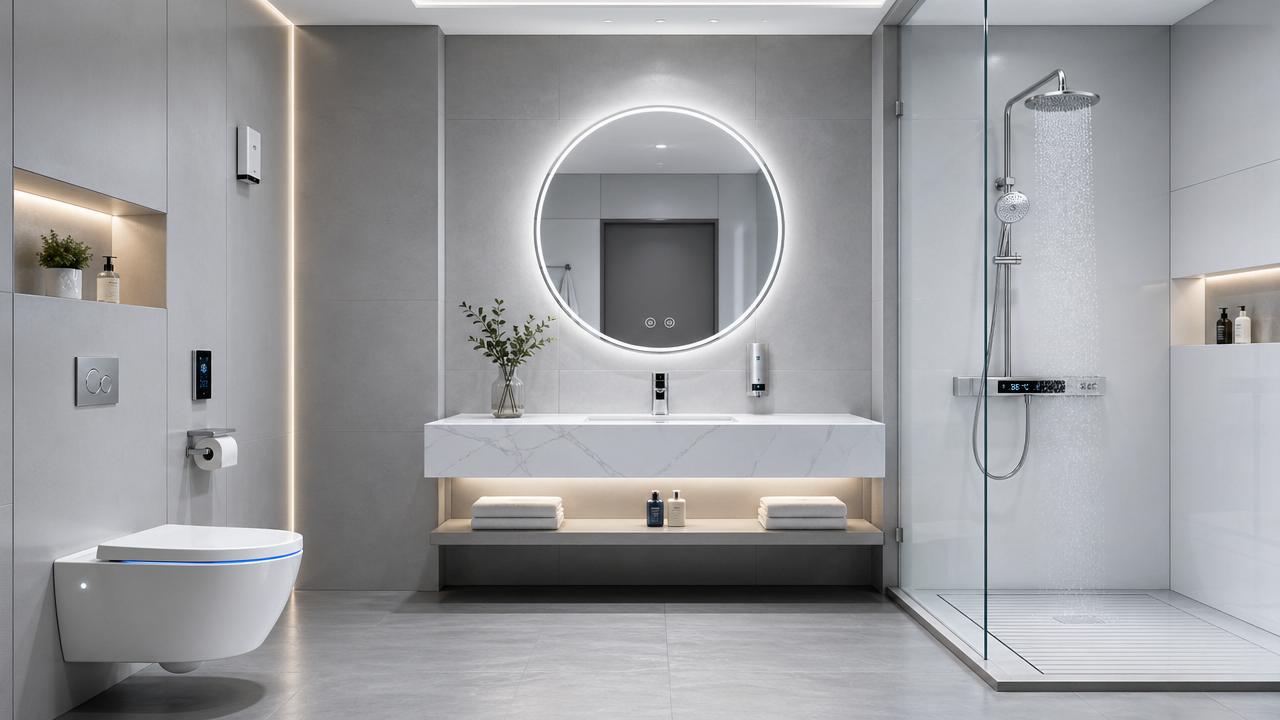
Smart living standards are no longer just about high-tech upgrades—they are about making everyday bathroom use cleaner, safer, and more comfortable. From water-saving fixtures to touchless controls and easy-to-clean surfaces, the right standards can transform routine moments into better living experiences. This article explores which smart solutions truly matter for consumers and how they improve daily bathroom function without adding unnecessary complexity.
Why smart living standards are shifting from luxury features to daily bathroom essentials
A clear market change is underway: smart living standards are no longer judged only by how advanced a bathroom looks, but by how well it supports everyday routines. For end consumers, the most valuable upgrade is often not a dramatic digital panel or a complex app. It is the quiet improvement that reduces splash, saves 20% to 40% of water in regular use, shortens cleaning time, or lowers the chance of slipping during a busy morning.
This shift matters because bathrooms are among the most frequently used spaces in any home. A family of 3 to 5 people may interact with faucets, toilets, mirrors, ventilation, and lighting dozens of times per day. When smart living standards are applied correctly, they improve hygiene, simplify maintenance, and create a more predictable user experience for children, older adults, and guests alike.
Another important signal is that consumers are becoming more selective. They are less impressed by technology for its own sake and more interested in practical outcomes: lower utility bills over 12 months, better moisture control, fewer touch points, and easier cleaning around seams and corners. In this environment, smart living standards are becoming a framework for better decision-making rather than a label for premium decoration.
What has changed in buyer expectations
In the past, bathroom upgrades often focused on appearance first, then function. Today, the order is reversing. Consumers increasingly compare products by water efficiency range, noise level, anti-bacterial surface treatment, and touchless operation reliability. A bathroom that works smoothly at 6 a.m. every day now has more value than one packed with functions that are rarely used after the first month.
This trend is also shaped by urban living. Smaller apartments, higher cleaning expectations, and multi-user households create demand for compact but smarter design. A wall-hung toilet that improves floor cleaning access by a few extra inches, or a mirror with anti-fog function that activates within 30 to 60 seconds, can have a greater daily impact than large-scale remodeling.
For GIAM readers and consumers following building and interior intelligence trends, this is a useful signal: bathroom technology is maturing. The winning solutions are no longer the loudest innovations. They are the ones that fit modern smart living standards without adding friction, repair complexity, or unnecessary operating steps.
The trend below shows how bathroom priorities are moving from feature-driven purchasing to performance-driven selection.
The practical lesson is simple: smart living standards now reward bathrooms that perform well across hundreds of small interactions each week. Consumers who understand this shift can avoid paying extra for novelty and instead invest in systems that improve use, upkeep, and long-term satisfaction.
The main forces driving smarter bathroom standards
Several forces are pushing smart living standards into the mainstream bathroom market. The first is hygiene awareness. Touchless flushing, sensor faucets, anti-bacterial coatings, and better ventilation are no longer niche requirements. They reflect a broader consumer expectation that shared surfaces should be easier to sanitize and less likely to trap moisture, odors, or residue.
The second driver is resource efficiency. Water-saving technology is no longer just a sustainability talking point. It directly affects household costs and aligns with tightening building expectations in many regions. A faucet aerator, dual-flush toilet, or thermostatic shower control can deliver noticeable savings over a 6- to 12-month period while also improving consistency in everyday use.
The third force is demographic change. Bathrooms now need to serve people across different mobility levels and age groups. That means smart living standards increasingly include anti-slip flooring, better nighttime lighting, stable temperature control, and fixtures that reduce unnecessary bending, twisting, or hand contact. What looks like convenience on paper often becomes a safety advantage in real homes.
Technology is becoming quieter and more useful
One of the strongest signals in the market is that useful smart systems are becoming less intrusive. Instead of demanding constant phone interaction, they work in the background. Motion-activated lights, humidity-sensing exhaust fans, anti-fog mirrors, and soft-close mechanisms support daily routines with minimal learning. For many households, this kind of invisible intelligence defines the next phase of smart living standards.
There is also growing interest in durable materials that support these standards. Non-porous surfaces, stain-resistant glazes, concealed plumbing layouts, and hardware with corrosion resistance are gaining attention because consumers understand lifecycle value better than before. Spending slightly more upfront can reduce cleaning labor and replacement frequency over 3 to 8 years.
This is where GIAM’s cross-sector view becomes useful. Bathroom improvements are no longer isolated product choices. They sit at the intersection of material science, water management, health-conscious interior design, and long-term maintenance planning. Smart living standards are therefore shaped not only by gadgets, but also by the logic of better-built spaces.
Key trend signals consumers should watch
- More bathrooms are prioritizing touchless or low-contact control points for faucets, toilets, and lighting.
- Water-saving benchmarks are becoming central to product comparison, not just a bonus feature.
- Integrated ventilation and moisture control are gaining value in apartments and compact homes.
- Simple, easy-clean design is outperforming overly complicated fixture shapes.
- Safety-led upgrades such as anti-slip surfaces and night guidance lighting are moving into mainstream planning.
These signals suggest that smart living standards are becoming more measurable. Consumers can now evaluate bathroom quality by daily outcomes: how much effort it takes to clean, how stable the water temperature stays, how quickly steam clears, and how safely the room functions in low light or wet conditions.
Which smart bathroom solutions actually improve daily use
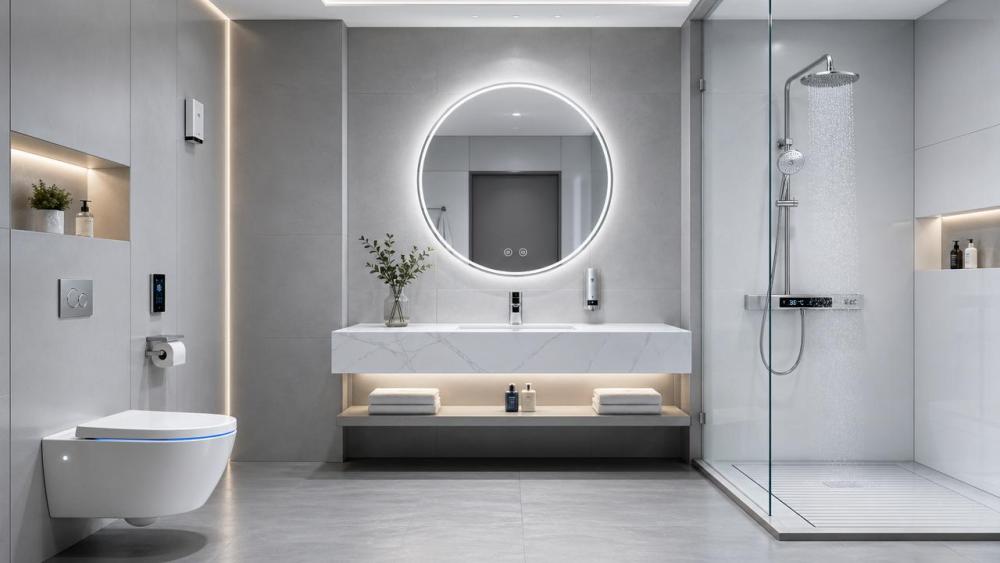
Not every product marketed under smart living standards delivers real value. For consumers, the strongest choices are usually the ones that remove friction from common tasks. A good example is a touchless or low-touch faucet with controlled flow. It reduces germ transfer, limits overuse, and supports easier handwashing for children and guests. In many homes, that benefit appears multiple times per day from the first week of installation.
Another high-impact option is a dual-flush or intelligent toilet system with water-conscious operation, easy-clean glazing, and accessible seat height. If selected well, it can improve hygiene, lower water use, and simplify cleaning around the bowl and base. The best result comes when design, maintenance access, and actual user habits are considered together rather than separately.
Shower controls are also evolving under smarter standards. Thermostatic mixers help reduce temperature fluctuations, which is especially useful in households with children or older adults. Instead of adjusting water repeatedly, users can stay within a more stable comfort range. That improves both safety and convenience while reducing unnecessary waste during temperature correction.
The smartest upgrades are often the least dramatic
Anti-fog mirrors, occupancy lighting, and humidity-responsive ventilation are examples of smart living standards that work best when they are barely noticed. They reduce waiting time, support grooming, and prevent damp air from lingering for 10 to 30 minutes after a shower. Over time, that can also help protect finishes, reduce odor, and improve the overall bathroom environment.
Material selection matters just as much as electronics. Large-format tiles with fewer grout lines, rounded edge detailing, and stain-resistant surfaces create a bathroom that looks cleaner and is easier to maintain. These are often overlooked when people focus too heavily on digital features, but they are central to practical smart living standards because they improve the user experience every single day.
Consumers should also distinguish between automation and dependence. Good smart bathroom design still works smoothly if a sensor fails or power is interrupted. Manual override options, accessible controls, and standard maintenance parts remain important. Real intelligence in bathroom planning means balancing convenience with resilience.
The comparison below highlights which common upgrades tend to deliver the most meaningful value in day-to-day use.
For most households, the best path is not adding the greatest number of smart devices. It is selecting 3 to 5 upgrades that reduce repetitive inconvenience. That approach keeps costs more manageable, lowers maintenance complexity, and aligns smart living standards with real daily habits.
How these changes affect different households and buying decisions
The impact of smart living standards varies by household type. Families with children often prioritize hygiene, durability, and ease of use. Older adults may care more about stable water temperature, slip resistance, and night visibility. Renters or first-time homeowners may focus on upgrades that require less invasive installation and show clear value within a 1- to 2-year period.
This is why bathroom planning now depends more on scenario-based judgment. A compact urban apartment may benefit most from space-efficient storage, anti-fog mirrors, and automatic ventilation. A multi-generational home may get more value from accessible toilet height, lever-friendly controls, and shower systems designed to reduce temperature shock. The same smart living standards can lead to different choices depending on who uses the room and how often.
Budget decisions are changing too. Instead of treating bathrooms as one-time style projects, many consumers now compare lifecycle value: cleaning effort per week, estimated water savings over a year, expected replacement intervals, and compatibility with future renovations. This longer view supports better purchases and reduces regret after installation.
A practical selection lens for end consumers
Consumers can simplify the selection process by asking a small set of questions before buying. Does the product reduce cleaning? Does it improve safety in wet conditions? Does it save water without weakening performance? Does it remain usable if the digital function is not active? If the answer is yes to at least 3 of these 4 questions, the product is more likely to support meaningful smart living standards.
It is also wise to evaluate maintenance reality. Some advanced fixtures need easier service access, compatible power connections, or replacement parts that may take 2 to 6 weeks to source depending on the region. Consumers should check these details early, especially for concealed installations, integrated toilet systems, or imported bathroom electronics.
The broader trend is encouraging: smarter bathrooms are becoming more practical, not more intimidating. As product categories mature, consumers have a better chance of choosing features that support comfort, hygiene, and efficiency in a balanced way rather than chasing novelty.
Quick checklist before choosing smart bathroom products
- Confirm the bathroom size, plumbing layout, and power conditions before comparing features.
- Prioritize 2 to 3 daily pain points such as humidity, water waste, cleaning effort, or night use safety.
- Check whether touchless or digital functions also offer manual backup operation.
- Review cleaning requirements, surface durability, and replacement part availability.
- Ask about delivery timing, installation sequence, and whether components are suitable for local water conditions.
Following this checklist helps consumers translate broad smart living standards into choices that make sense for their actual home environment, budget rhythm, and renovation timeline.
How to judge future-ready bathroom standards without overbuying
One of the biggest consumer risks today is overbuying: paying for advanced bathroom technology that does not improve daily life. The smarter strategy is to focus on layered value. First choose core performance elements such as water control, hygiene, safety, and ventilation. Then add secondary comfort features like lighting scenes or anti-fog mirrors. This staged approach aligns well with smart living standards because it keeps function ahead of decoration.
Future-ready also does not mean future-complicated. Products that follow common installation logic, use durable materials, and allow straightforward servicing tend to age better. In practical terms, that may matter more over 5 years than a feature-rich interface that becomes outdated quickly or depends on software support the homeowner never really uses.
Consumers should also pay attention to compatibility with broader building trends. As green materials, water-saving fixtures, and healthier interior standards become more common, bathrooms that already support those directions will be easier to maintain, upgrade, or present favorably in future resale discussions. Smart living standards are therefore not only about comfort today, but also about avoiding friction tomorrow.
What to keep watching in the next phase
In the next stage of market development, consumers are likely to see more integration between bathroom fixtures, surface materials, and environmental control. That means the best smart living standards will increasingly come from coordinated systems rather than isolated products. A water-saving faucet is helpful; a faucet paired with easy-clean basins, proper drainage slope, and hands-free lighting is more effective as a daily-use ecosystem.
There will also be stronger demand for quiet reliability. Products that operate at comfortable sound levels, resist mineral buildup, and maintain performance under frequent use will stand out. In many homes, the difference between acceptable and excellent bathroom design appears after 90 days of use, not on installation day.
This is why trend-based bathroom planning matters. It helps consumers identify which changes are structural and lasting. Smart living standards built around hygiene, water efficiency, maintainability, and inclusive use are far more likely to remain valuable than features designed mainly for showroom appeal.
Why choose us for smarter bathroom planning and product judgment
At GIAM, we look at bathrooms through the combined lens of building materials, sanitary systems, interior use logic, and long-term spatial evolution. That means we do not treat smart living standards as isolated buzzwords. We connect hygiene, water-saving technology, maintenance practicality, and material performance so consumers and project decision-makers can understand what actually improves everyday bathroom use.
If you are comparing products, planning a renovation, or trying to understand which bathroom upgrades are worth the investment, we can help you focus on the details that matter most. This includes parameter confirmation for fixtures and controls, product selection guidance for household needs, expected delivery cycle questions, material coordination, and practical comparisons between standard and smarter configurations.
You can also contact us for support on customization direction, sample evaluation, certification-related considerations, and quotation communication for smart kitchen and bath systems, sanitary materials, and related interior solutions. If you want to judge how current smart living standards may affect your bathroom choices now and over the next 3 to 5 years, we are ready to help you assess the options with clearer, more grounded information.
Industry Briefing
Get the top 5 industry headlines delivered to your inbox every morning.