Energy-efficient construction cuts operating costs
Energy-efficient construction cuts operating costs
For every building decision, upfront capital must be balanced with long-term performance and measurable returns.
Energy-efficient construction is now a practical cost-control strategy, not only a sustainability preference.
It reduces utility expenses, improves asset resilience, and supports stronger lifecycle value across residential and commercial projects.
As standards tighten, efficient design, advanced materials, and smart systems increasingly define project competitiveness.
Foundational meaning of energy-efficient construction
Energy-efficient construction refers to planning, materials, systems, and operations that reduce energy demand throughout a building’s life.
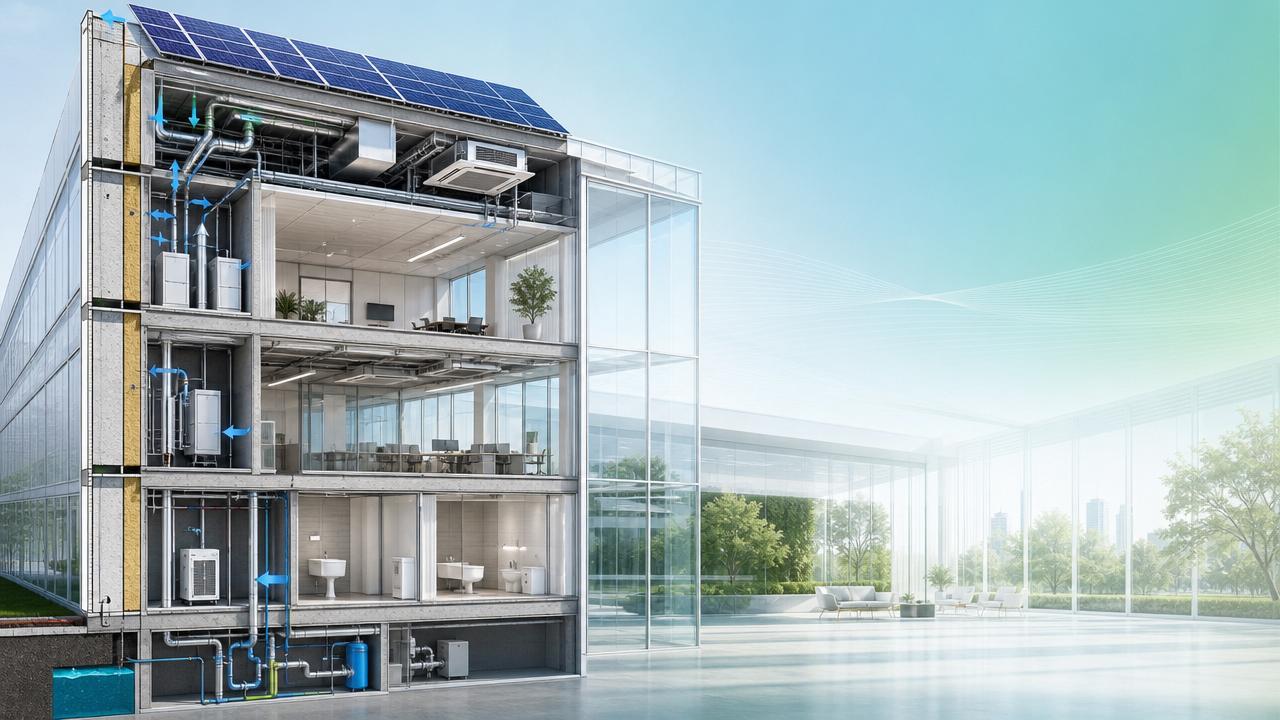
The approach begins before installation. Orientation, envelope design, insulation, glazing, airtightness, and equipment selection all influence future costs.
In modern projects, energy-efficient construction also includes digital controls, water-saving systems, renewable integration, and performance monitoring.
The objective is not simply lower consumption. It is stable comfort, predictable expenditure, and improved asset durability.
A building with weak insulation may require oversized HVAC systems. That increases equipment cost, maintenance load, and operating risk.
By contrast, energy-efficient construction can reduce peak loads and allow mechanical systems to work within efficient ranges.
Core components behind performance
- High-performance envelopes that reduce heat transfer and air leakage.
- Efficient HVAC, ventilation, lighting, and hot-water systems.
- Smart controls that adjust energy use according to occupancy.
- Low-carbon materials with verified durability and lifecycle benefits.
- Commissioning processes that confirm designed performance in real conditions.
Industry signals shaping current decisions
The construction sector is under pressure from energy codes, carbon disclosure, insurance costs, and urban resilience expectations.
Energy-efficient construction helps respond to these forces with clearer performance evidence and lower long-term operating exposure.
Global markets are also linking building quality with financing, leasing, resale value, and tenant satisfaction.
GIAM observes these shifts through building materials, sanitary spaces, and smart kitchen and bath systems.
This intelligence matters because energy-efficient construction is increasingly connected with water efficiency, hygiene, automation, and material science.
Business value across the building lifecycle
The strongest advantage of energy-efficient construction appears after occupancy, when daily operation begins to accumulate measurable savings.
Lower heating, cooling, lighting, and water-heating demand reduces utility bills and improves operating income stability.
Efficient systems may also need fewer emergency adjustments because they are designed around realistic loads and verified performance.
Energy-efficient construction can protect asset value by reducing obsolescence risk when regulations become more demanding.
It also supports healthier indoor environments through better ventilation design, thermal comfort, and moisture control.
When projects use durable materials, maintenance cycles become more predictable, reducing hidden costs over time.
Cost areas influenced by efficient design
- Monthly electricity, gas, and district energy charges.
- HVAC equipment sizing, maintenance, and replacement frequency.
- Water heating and pumping expenses in sanitary spaces.
- Lighting energy, control failures, and fixture replacement.
- Compliance upgrades required after future code revisions.
The business case improves when savings, risk reduction, comfort, and brand positioning are assessed together.
Energy-efficient construction should therefore be evaluated through lifecycle cost, not only initial quotation differences.
Typical scenarios and application priorities
Different building types require different efficiency priorities, but the underlying logic remains consistent.
Energy-efficient construction works best when design teams align envelope, systems, controls, materials, and operating targets.
Sanitary spaces deserve special attention because water, heat, hygiene, and user comfort intersect there.
Low-flow fixtures, efficient pumps, smart monitoring, and durable surfaces can reduce both water and energy costs.
Smart kitchen and bath systems also support energy-efficient construction by reducing standby waste and detecting abnormal usage.
Material and system choices that influence savings
Material selection has a direct influence on energy demand, service life, indoor quality, and maintenance exposure.
Energy-efficient construction often begins with better envelopes because walls, roofs, windows, and joints shape heating and cooling loads.
High-performance insulation, thermal-break frames, reflective roofing, and airtight membranes can create durable operating advantages.
Interior materials also matter. Low-emission surfaces, antibacterial finishes, and moisture-resistant products can reduce health and maintenance risks.
In kitchens and bathrooms, efficient appliances, faucets, drainage designs, and smart valves contribute to resource control.
Energy-efficient construction should not rely on one product category. It requires coordinated specification and installation discipline.
Specification factors to verify
- Thermal performance data from credible testing.
- Compatibility between materials, climate, and installation method.
- Expected service life and maintenance requirements.
- Water-saving performance for fixtures and sanitary systems.
- Smart control interoperability and data accessibility.
A low-cost component can become expensive if it causes air leakage, condensation, failures, or frequent replacement.
Therefore, energy-efficient construction depends on verified performance, not only catalog claims or isolated efficiency ratings.
Practical implementation guidance
A successful efficiency strategy should be structured from concept design through handover and ongoing operation.
Energy-efficient construction becomes more cost-effective when performance targets are set before drawings and procurement are finalized.
- Define energy, comfort, water, and carbon targets at project initiation.
- Model building performance under local climate and occupancy conditions.
- Prioritize envelope quality before increasing mechanical capacity.
- Compare products by lifecycle cost, not only purchase price.
- Commission systems to confirm actual efficiency after installation.
- Monitor data after occupancy and adjust control settings regularly.
Procurement documents should include measurable requirements, accepted test methods, warranty terms, and responsibilities for performance verification.
Installation quality is equally important. Poor sealing or incorrect control settings can erase expected savings quickly.
Energy-efficient construction also requires coordination between architectural, mechanical, electrical, plumbing, and interior decisions.
Common issues to avoid
- Selecting efficient equipment while ignoring envelope weaknesses.
- Using smart devices without clear operating logic.
- Treating water efficiency and energy efficiency separately.
- Skipping commissioning because systems appear functional.
- Evaluating savings without maintenance and replacement assumptions.
These issues create a gap between design intent and real operating performance.
Closing that gap is one of the central tasks of energy-efficient construction.
Intelligence-driven next steps
The next stage is to connect project decisions with credible market intelligence, technical standards, and lifecycle data.
GIAM supports this process by tracking sector news, material trends, smart systems, and global building efficiency movements.
Its Strategic Intelligence Center links material science, hydraulic design, and industrial economics into actionable construction insight.
For upcoming projects, begin with a baseline assessment of energy use, water demand, comfort targets, and regulatory exposure.
Then compare alternative designs using lifecycle cost, operational risk, maintenance needs, and future compliance flexibility.
Energy-efficient construction delivers the strongest results when decisions are evidence-based and coordinated across every building system.
By aligning green materials, smart spaces, and verified performance, projects can reduce costs while strengthening long-term asset value.
Use energy-efficient construction as a practical framework for resilient buildings, intelligent operation, and responsible capital deployment.
Industry Briefing
Get the top 5 industry headlines delivered to your inbox every morning.