
How to compare a green building materials supplier
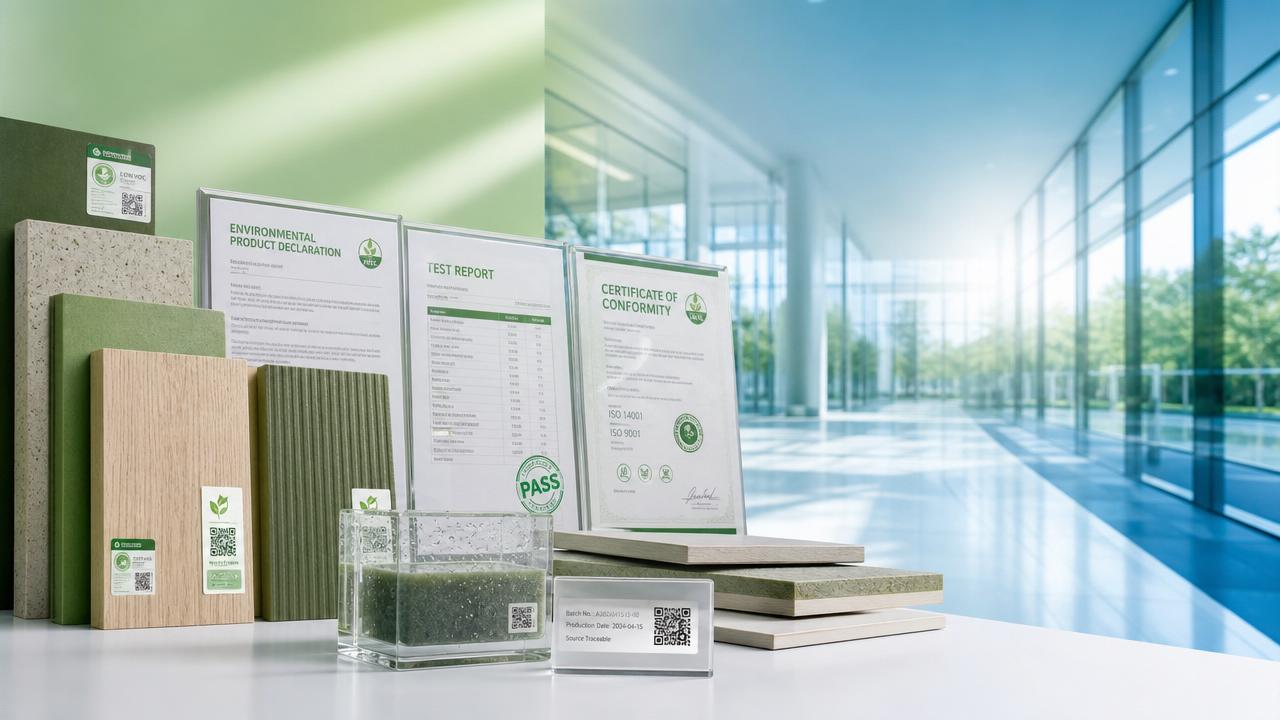
Choosing a green building materials supplier affects budget control, regulatory compliance, carbon targets, and project durability. A sound comparison process should examine certifications, quality systems, logistics resilience, technical support, and market adaptability.
In a global construction environment shaped by stricter standards and smarter spaces, supplier evaluation must be practical and evidence-based. This guide explains how to compare a green building materials supplier with clear questions, useful benchmarks, and lower-risk decision steps.
What makes a green building materials supplier truly reliable?
A reliable green building materials supplier offers more than eco-friendly claims. It proves environmental performance with traceable documents, stable manufacturing controls, and consistent delivery across product batches.
Start with compliance evidence. Look for Environmental Product Declarations, FSC, GREENGUARD, Cradle to Cradle, ISO 14001, or region-specific low-emission certifications where relevant.
Then verify whether the supplier understands project-level standards. Good partners can support LEED, BREEAM, WELL, regional green codes, and public procurement sustainability requirements.
Reliability also includes operational discipline. Ask how raw materials are sourced, how recycled content is measured, and how non-conforming products are isolated and corrected.
A strong green building materials supplier should provide:
- Third-party certifications and current test reports
- Clear environmental data and safety documentation
- Batch consistency and traceability procedures
- Transparent sourcing and quality management systems
- Responsive technical and after-sales support
How should you compare certifications, test reports, and sustainability claims?
Many suppliers use similar language, but not all claims carry equal value. The best way to compare a green building materials supplier is to separate marketing language from verifiable performance data.
First, check whether certifications are product-specific or company-wide. A factory may hold ISO certification, while the actual material lacks tested environmental performance.
Second, confirm validity dates and issuing bodies. Expired reports or weak certification organizations reduce confidence, especially for large projects or cross-border tenders.
Third, compare the scope of testing. VOC emissions, recycled content, water resistance, fire behavior, antibacterial performance, and durability should match the intended application.
Ask direct questions such as:
- Which certifications apply to this exact product model?
- Which laboratory performed the test?
- Do reports reflect current formulations and production lines?
- Can the supplier support project documentation packages quickly?
This approach helps compare one green building materials supplier against another on facts, not slogans. It also reduces approval delays during design, bidding, and construction.
How do price, total cost, and supply stability change the decision?
Lowest unit price rarely means lowest project cost. A green building materials supplier should be assessed across landed cost, installation efficiency, defect risk, and service responsiveness.
Compare the full cost picture:
- Base product price
- Packaging and freight cost
- Import duties or tariff exposure
- Lead time and safety stock requirements
- Waste rate during installation
- Warranty handling and replacement speed
Supply stability matters even more in volatile markets. A supplier with strong sustainability credentials but weak logistics can still create costly project interruptions.
Review production capacity, export experience, regional warehousing, and backup sourcing plans. Also ask how the supplier manages energy cost shocks, shipping delays, and raw material fluctuations.
A capable green building materials supplier will discuss lead times honestly, flag bottlenecks early, and suggest equivalent alternatives when needed. That flexibility often saves more than a discount.
Which product and service factors matter most for different applications?
The right comparison depends on where the material will be used. Interior finishes, facades, sanitary areas, hospitality spaces, and smart kitchen environments require different priorities.
For interior products, low VOC emissions, cleanability, acoustic performance, and appearance consistency may dominate. For external materials, weather resistance, thermal behavior, and maintenance cycles matter more.
Wet areas need water resistance, mold control, antibacterial surfaces, and long-term sealing compatibility. Commercial spaces often require stronger abrasion resistance and easier replacement planning.
When comparing a green building materials supplier, request application-specific evidence. General sustainability claims are not enough if the project needs high-traffic or moisture-intensive performance.
Service capacity is equally important. Check whether the supplier can support:
- Material selection guidance during design
- Mockups and sample coordination
- Installation instructions and training
- Maintenance recommendations
- Fast issue resolution after delivery
A green building materials supplier with strong technical support often prevents failures before they happen. That improves lifecycle value and protects project reputation.
What are the most common comparison mistakes and hidden risks?
One common mistake is comparing only brochures. Documents matter, but real decision quality comes from combining paperwork, interviews, samples, audits, and reference checks.
Another mistake is treating all sustainable materials as equal. Two products may both appear green, yet differ sharply in durability, embodied carbon, toxicity, or maintenance burden.
A third risk is ignoring regional compliance differences. A green building materials supplier suitable for one country may not satisfy labeling, fire, or emissions rules elsewhere.
Watch for these warning signs:
- Unclear test scope or outdated reports
- Large price swings without explanation
- Slow answers to technical questions
- No traceability for raw materials
- Weak warranty terms or vague exclusions
Shortlisting should include sample testing and reference verification. If possible, review completed projects using the same material in similar climate and usage conditions.
How can you build a practical scorecard to compare a green building materials supplier?
A scorecard turns subjective impressions into structured decisions. It also makes internal reviews faster when several stakeholders need a clear comparison basis.
Use weighted criteria instead of equal scoring. Sustainability data may matter most in one project, while supply continuity or moisture resistance may matter more in another.
A simple five-point scoring system works well. Score each green building materials supplier, add comments, and document missing evidence before final approval.
FAQ: quick answers when comparing suppliers
To compare a green building materials supplier well, focus on verified sustainability, fit-for-use performance, supply resilience, and complete lifecycle value. Good decisions come from structured evidence, not isolated price comparisons.
Use a scorecard, test documents carefully, and request application-specific proof before committing. In a changing global market, a better supplier comparison process leads to stronger projects, safer compliance, and more durable sustainable outcomes.
Industry Briefing
Get the top 5 industry headlines delivered to your inbox every morning.