
What makes spatial intelligence solutions useful on site
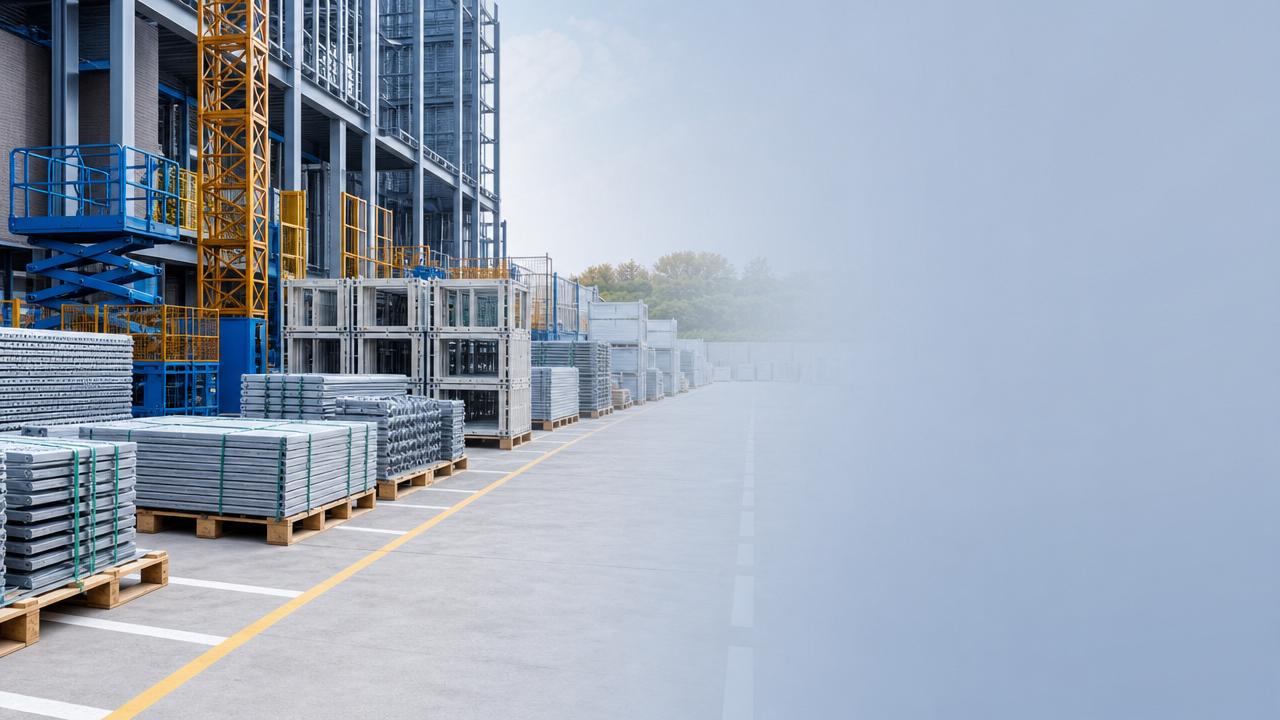
On active job sites, spatial intelligence solutions are useful because they turn changing site conditions into practical, real-time guidance for operators. Instead of relying only on drawings, memory, radio calls, or manual checks, teams can see where materials, equipment, people, and space constraints are affecting the day’s work. The result is not just better visibility, but fewer errors, safer movement, and faster decisions.
For operators, the value is very direct: less time spent searching, less guesswork when site conditions change, and fewer avoidable delays caused by poor coordination. In building, interior, and fit-out environments where many trades work in limited space, spatial intelligence solutions help turn a crowded job site into something more measurable and manageable.
The core search intent behind this topic is practical rather than theoretical. Readers want to know what makes these systems genuinely useful on site, not just what the technology is called. They want to understand where it helps, what problems it solves, what features matter in daily work, and how to tell whether a solution will support operators instead of adding another layer of complexity.
Why on-site teams pay attention to spatial intelligence solutions
On most job sites, operators are not looking for another dashboard. They are looking for fewer disruptions in the workday. That is why spatial intelligence solutions matter most when they support visible, physical tasks such as locating assets, confirming site readiness, coordinating movement, checking progress, and avoiding unsafe conflicts between trades, tools, and temporary storage areas.
In real conditions, site layouts shift constantly. Material stacks move, temporary partitions appear, delivery times change, and access routes become blocked. Standard plans rarely reflect every change in the moment. Spatial intelligence solutions become useful when they close the gap between planned space and actual space, giving operators a live or near-live picture of what is happening where the work is taking place.
This is especially important in modern construction and interior projects, where installation quality depends heavily on sequencing, tolerances, access, and trade coordination. Whether teams are handling sanitary systems, architectural materials, smart kitchen installations, or commercial fit-outs, the job is easier when space data is current and actionable.
What problems these tools solve in daily site operations
The first major problem is wasted movement. Operators often lose time walking the site to find tools, equipment, pallets, or the right work zone. When a spatial intelligence platform shows asset locations, access paths, and zone status, crews spend less time searching and more time completing productive tasks.
The second problem is poor visibility into changing conditions. A drawing may show the intended layout, but it does not tell an installer that one corridor is blocked, one lift is occupied, or one material drop has been moved. Spatial intelligence solutions help bridge this gap by feeding real-world updates into the decision process.
The third problem is coordination failure. Many delays happen not because labor is missing, but because one team arrives before the area is actually ready. If operators can verify that a zone is cleared, measured, safe, and supplied before starting, rework and waiting time both decrease.
The fourth problem is safety risk caused by congestion and uncertainty. Sites become dangerous when people, machinery, deliveries, and temporary storage all compete for the same limited footprint. A useful system helps operators understand traffic flow, restricted areas, hazard zones, and movement conflicts before they become incidents.
What makes a spatial intelligence solution genuinely useful on site
Not every platform marketed as intelligent is equally useful to people doing field work. On site, usefulness depends less on technical language and more on whether the system improves decisions within the pace of the workday. Several qualities make the difference.
First, the information must be easy to access. Operators should not need long training sessions or multiple software steps just to check a zone, locate an asset, or confirm a work area. If the interface is too slow or too complicated, crews will return to calls, messages, and guesswork.
Second, the data must be current enough to support real decisions. On a fast-moving site, outdated information can be as harmful as missing information. If a system says equipment is available when it has already been moved, trust disappears quickly. Reliability is one of the biggest factors in adoption.
Third, it should connect digital information to physical work. A useful spatial intelligence solution does not stop at visualization. It should help operators act: where to go, what is ready, what is blocked, what is missing, what changed, and what needs attention now.
Fourth, it must fit job-site conditions. Operators often work with gloves, noise, dust, changing light, and limited time. Mobile access, clear maps, simple alerts, and readable location references matter more than elegant but impractical reporting screens.
Fifth, the system should reduce friction between teams. The best platforms help supervisors, installers, logistics teams, and safety personnel work from a shared view of the site. When everyone sees the same spatial reality, fewer arguments are caused by inconsistent information.
How spatial intelligence improves material and equipment handling
Material handling is one of the clearest use cases. Building and interior projects depend on the right items arriving at the right place in the right sequence. When operators do not know where materials have been staged, whether they were received, or whether they were moved by another team, progress slows immediately.
Spatial intelligence solutions can map storage zones, track movement, and show whether critical items are in the correct area. This is useful for high-value or installation-sensitive materials such as premium surfaces, sanitary fixtures, modular assemblies, smart appliances, and custom-fit components. It reduces both search time and damage risk.
Equipment handling also becomes easier. Operators can locate lifts, carts, scanners, cutting stations, or shared installation tools without multiple radio calls. On larger sites, even saving ten or fifteen minutes per search adds up quickly across shifts and crews.
These systems can also improve staging decisions. Instead of placing materials wherever temporary space is available, teams can organize based on installation sequence, access needs, and congestion control. That creates a more stable workflow and prevents unnecessary rehandling.
How these solutions support safer movement and site awareness
Safety value becomes clear when a site is busy, layered, and constantly changing. Operators need more than static signage; they need awareness of how space is being used right now. Spatial intelligence solutions can help identify where traffic is dense, where access is restricted, where hazards are active, and where teams should avoid overlap.
This is particularly important when different trades are working at the same time in compact areas. Installers may be moving fragile interior materials while mechanical teams, delivery crews, and lift operators are using the same routes. A shared spatial view helps prevent conflict before it becomes damage, delay, or injury.
Useful systems also support safer planning of temporary conditions. For example, teams can adjust routes when wet zones, demolition areas, suspended loads, or electrical works affect access. Operators benefit when this information is not buried in paperwork but visible in the same environment where they check work status.
Safety improvements are often strongest when spatial intelligence is linked to simple alerts and zone controls rather than passive maps alone. Operators need to know not only where things are, but whether a route is safe, whether a work area is active, and whether a planned move should wait.
How spatial intelligence helps workflow, sequencing, and productivity
Many site delays come from bad timing rather than bad effort. A team arrives too early, a delivery arrives before storage is ready, or an installation starts before upstream work is complete. Spatial intelligence solutions help operators and coordinators see sequence issues earlier.
For example, if one area is still congested with stored materials, another trade may be redirected before losing time on setup. If a room is cleared and verified earlier than expected, the next crew can be advanced with more confidence. This supports smoother handoffs between teams and better daily production planning.
On interior and architectural projects, sequence matters even more because damage risk rises as finishes become more refined. Knowing exactly when a space is ready for premium surfaces, sanitary fittings, smart kitchen components, or final-position equipment can prevent both rework and product loss.
Productivity gains do not always come from dramatic automation. Often, they come from many small improvements: fewer site walks, fewer interruptions, fewer repeated checks, fewer wrong assumptions, and faster confirmation of readiness. That is why operators often judge value by time saved in ordinary tasks rather than by advanced technical claims.
What operators should look for before adopting a solution
If a team is evaluating spatial intelligence solutions, the first question should be simple: what daily problem will this solve first? A tool that tries to do everything at once may struggle to deliver practical value. Starting with one high-friction issue such as asset location, delivery staging, access control, or area readiness often leads to better adoption.
The second question is whether field staff can use it quickly. If operators cannot understand the interface within a short time, the platform may remain limited to management users. A successful on-site tool should support real field behavior, including quick checks between tasks and easy updates from mobile devices.
The third question is whether the data source is dependable. Solutions may rely on sensors, tags, scanning, digital twins, camera feeds, manual updates, or mixed inputs. Whatever the method, the output must be trusted by the people using it. If the system often lags behind physical reality, operators will stop relying on it.
The fourth question is integration. A useful platform should fit into existing workflows such as logistics planning, safety coordination, trade sequencing, issue tracking, or progress monitoring. If it stands alone without connection to how teams already work, its benefits may remain isolated.
The fifth question is whether the solution supports the specific site type. A high-rise shell, a healthcare interior fit-out, a hospitality renovation, and a smart kitchen installation project all have different space pressures and coordination patterns. Usefulness depends on fit, not just features.
Common concerns and how to judge real value
One common concern is that spatial intelligence solutions sound impressive but create more reporting work for crews. This risk is real. If operators must spend too much time feeding the system, adoption drops. The best solutions minimize manual burden and return value quickly through better visibility.
Another concern is cost. On site, value should be judged against operational outcomes: reduced search time, fewer delivery conflicts, lower rehandling, better equipment use, fewer access delays, lower damage rates, and fewer unsafe spatial conflicts. These are practical indicators that field teams can actually observe.
Some teams worry about training requirements. In practice, systems succeed when they are introduced around a clear workflow problem and backed by straightforward field routines. Operators do not need to become data analysts. They need to know how to use the information to act faster and more accurately.
There is also concern about whether the technology works only on large, highly digitized projects. While large projects may see the most obvious scale benefits, smaller or more specialized sites can also gain value if space is constrained, materials are high value, or coordination is complex. Interior projects often meet all three conditions.
Why this matters more in modern building and interior environments
The need for spatial clarity is growing because project environments are becoming more demanding. Building standards, smart systems, sustainability goals, prefabricated elements, and premium finish expectations all increase the cost of miscoordination. The more exact the installation, the more important real-time spatial understanding becomes.
This matters across residential and commercial settings. Smart kitchen and bath systems, sanitary spaces, modular assemblies, and advanced material applications all depend on precise placement, access, and sequence. Operators cannot work effectively if space conditions are unclear or if site reality keeps drifting away from the plan.
That is why spatial intelligence solutions are no longer only a technology discussion. They are becoming part of how modern jobs are executed. For teams dealing with complex layouts, tight installation windows, and multiple stakeholders, these tools can strengthen both daily operations and final quality outcomes.
Conclusion
What makes spatial intelligence solutions useful on site is not the sophistication of the label, but the practical improvement they bring to field work. If they help operators locate assets faster, verify work areas sooner, move more safely, coordinate more accurately, and respond better to changing conditions, they are delivering real value.
For users and operators, the most important test is simple: does the system reduce uncertainty in the places where work actually happens? When the answer is yes, spatial intelligence solutions become more than digital add-ons. They become working tools that support safer, smoother, and more efficient site execution.
As construction, interior delivery, and smart space installation continue to evolve, teams that understand the on-site value of spatial intelligence will be better prepared to manage complexity without losing control of time, quality, or safety.
Industry Briefing
Get the top 5 industry headlines delivered to your inbox every morning.