Evolutionary Trends in Surfaces That Could Age Better
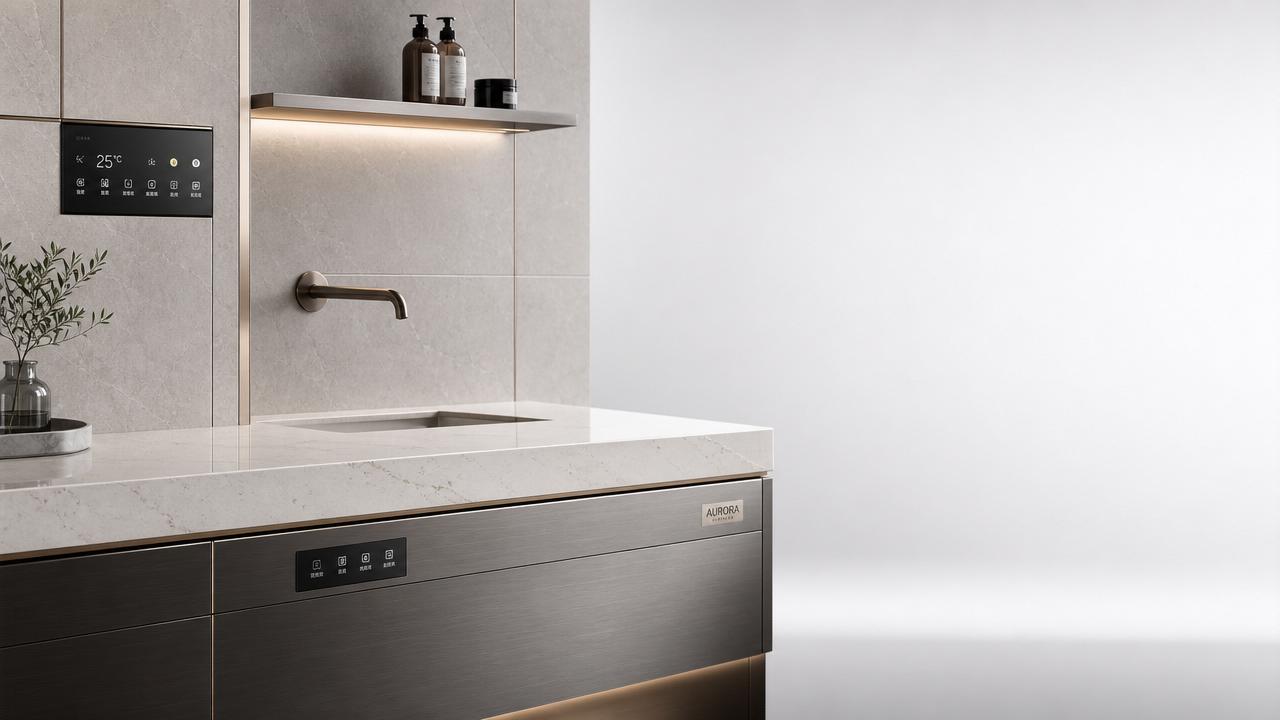
For building markets, evolutionary trends now shape value more than short-term style cycles. Surfaces that age better support hygiene, durability, energy goals, and smarter space planning across residential and commercial environments.
This matters because materials are no longer judged only by appearance at installation. They are measured by lifecycle performance, maintenance demands, safety outcomes, and compatibility with intelligent kitchen and bath systems.
Across global projects, evolutionary trends are pushing decisions toward finishes that resist wear, reduce water damage, limit bacterial growth, and stay relevant as standards evolve. Surfaces that age better increasingly define premium positioning.
Why evolutionary trends are reshaping surface decisions now
Several market signals explain the shift. Urbanization is intensifying project density. Building users expect cleaner spaces. Regulations are tightening around emissions, water use, and operational efficiency.
At the same time, digital design tools make performance comparisons easier. Buyers can now compare abrasion resistance, porosity, anti-bacterial properties, and maintenance costs before specification.
This creates a new competitive baseline. A surface must look good, but it also needs to stay stable under cleaning chemicals, moisture cycles, high traffic, and changing user expectations.
In this context, evolutionary trends are less about novelty and more about resilience. The winning materials are those that remain functional, attractive, and compliant over longer asset lifespans.
The strongest signals behind surfaces that could age better
The market is sending clear signals about which finishes and systems will endure. These signals connect materials science, public health, operational economics, and smart space integration.
These evolutionary trends show that aging better is a combined result. Physical endurance matters, but so do adaptability, hygiene performance, and alignment with future building intelligence.
What is driving these evolutionary trends in global interiors
No single factor explains the shift. Instead, several forces are reinforcing each other and changing how surfaces are evaluated across categories.
- Higher cleaning frequency is exposing weak finishes faster.
- Carbon reduction goals are increasing demand for longer lifecycle materials.
- Trade tariffs and supply volatility are rewarding dependable performance over risky substitutions.
- Premium urban projects need surfaces that preserve brand image after years of use.
- Smart kitchen and bath systems require coordinated material compatibility.
- Users increasingly associate material quality with safety, cleanliness, and daily comfort.
GIAM’s perspective is especially relevant here. Intelligence around materials, sanitary spaces, and smart systems reveals that future-ready surfaces must perform inside a wider ecosystem, not in isolation.
Durability is becoming a financial metric
A surface that chips, fades, or stains early creates replacement costs, service disruption, and reputation loss. That is why evolutionary trends increasingly connect durability with long-term project economics.
Hygiene is moving from optional to expected
Bathrooms, kitchens, hospitality zones, and mixed-use buildings now prioritize hygienic performance. Anti-bacterial and easy-clean finishes have become strategic assets rather than marketing extras.
How evolutionary trends affect demand across business links
The impact reaches beyond one product category. Surface choices now influence channel strategy, inventory planning, project bidding logic, and after-installation service expectations.
In residential spaces, demand is moving toward surfaces that combine warmth, durability, and easier care. In commercial spaces, the emphasis is stronger on throughput, hygiene, and maintenance efficiency.
These evolutionary trends also favor integrated thinking. A countertop, wall panel, tile, fixture interface, and smart control point increasingly affect one another in daily use.
The surface qualities that deserve closer attention
Not every durable-looking material truly ages better. Some surfaces perform well in showrooms, then decline quickly in active kitchens, wet rooms, transport hubs, or hospitality interiors.
- Resistance to staining from food, cosmetics, and cleaning agents
- Tolerance for repeated moisture exposure and thermal change
- Low maintenance burden over months and years
- Stable color and texture under sunlight or artificial lighting
- Compatibility with touchless, water-saving, or smart hardware
- Compliance with emerging health and environmental standards
When these qualities align, evolutionary trends become visible in real market outcomes. Products gain stronger repeat preference, fewer service issues, and better suitability for premium developments.
Where future value is likely to concentrate
The next phase of evolutionary trends will likely reward materials that combine measurable performance with design neutrality. Surfaces should stay current even as color tastes and hardware systems evolve.
Neutral but tactile textures, advanced composites, refined ceramics, treated metals, and engineered surfaces are all positioned well when backed by strong performance evidence.
Particular value will concentrate in sanitary spaces and smart kitchen zones. These areas carry the highest intersection of hygiene, water management, user contact, and technology integration.
Expect specification standards to become stricter
As evolutionary trends mature, visual claims will matter less than documented results. Technical sheets, use-case proof, and lifecycle logic will increasingly shape approval and adoption.
Practical steps for responding to evolutionary trends
A useful response starts with sharper evaluation criteria. Instead of asking which surface looks premium today, ask which one will still support value after years of cleaning, impact, and system upgrades.
- Review current surface categories by lifecycle risk, not only unit cost.
- Compare technical performance in wet, high-touch, and heavy-use conditions.
- Prioritize materials compatible with smart kitchen and bath applications.
- Use market intelligence to track standards, tariffs, and demand shifts.
- Build specification stories around hygiene, durability, and maintenance savings.
- Test whether a premium claim remains credible after long-term use scenarios.
These actions help translate evolutionary trends into practical decisions. They also reduce exposure to fast-obsolescence products that create short-lived margins but weak long-term positioning.
A clearer next move for market-facing teams
The smartest next step is to map surface choices against future demand signals. Focus first on kitchens, baths, and high-contact zones where performance gaps become visible fastest.
Use intelligence-led comparison, not assumption. GIAM’s approach shows why evolutionary trends should be read through materials science, sanitary design, and commercial insight together.
Surfaces that could age better are not a niche interest. They are becoming the foundation of stronger value chains, safer spaces, and more resilient premium positioning in global building markets.
Industry Briefing
Get the top 5 industry headlines delivered to your inbox every morning.