Industrial design trends now influencing premium bathroom lines
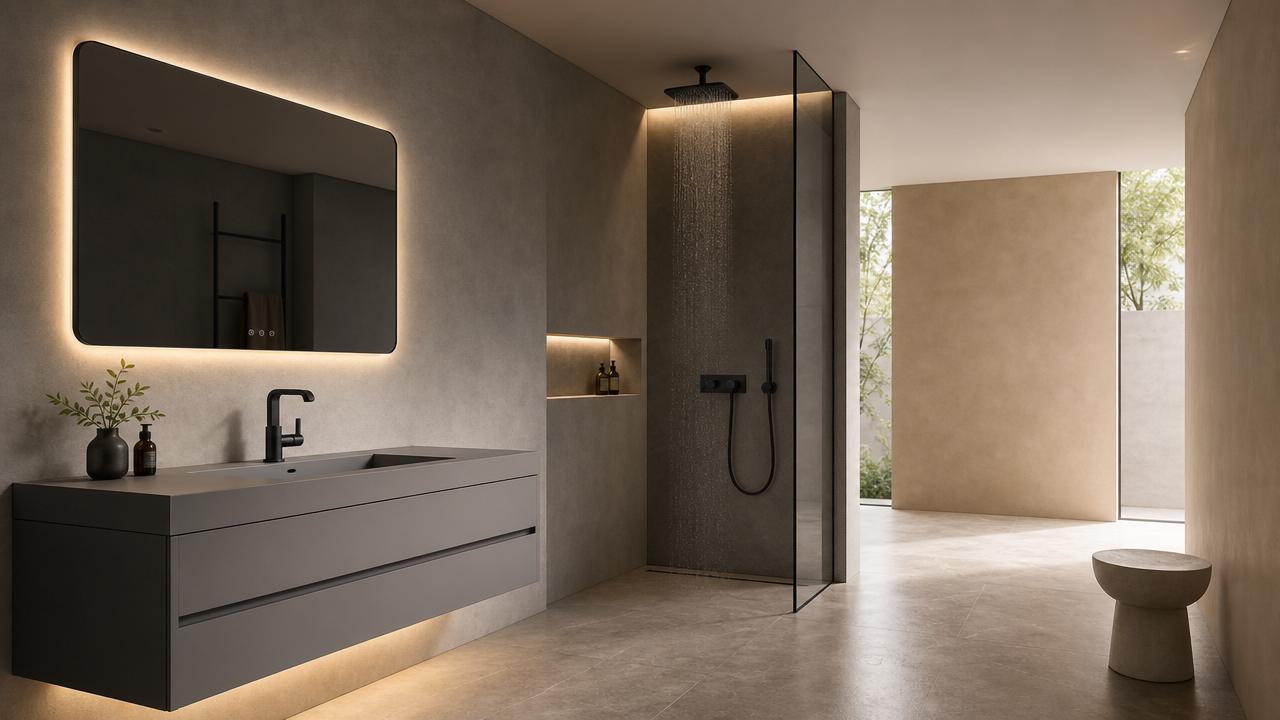
Industrial design trends now shaping premium bathroom lines
As premium bathroom brands compete in a crowded market, industrial design trends are no longer a visual detail. They now influence perceived quality, specification confidence, and project selection. In a category where finishes, touchpoints, and space efficiency matter, design language can lift a product from standard to premium.
For GIAM’s readers, this shift matters because bathroom products sit at the intersection of building materials, smart living, and commercial space upgrading. The strongest premium bathroom lines now combine clean geometry, durable surfaces, and intelligent functions that align with modern interior expectations.
What industrial design trends mean in bathroom product development
Industrial design trends refer to the evolving forms, materials, interfaces, and functional details that shape how a product looks and performs. In premium bathroom lines, they are especially visible in faucets, shower systems, basins, cabinets, mirrors, and accessories.
The most influential industrial design trends usually address four layers: visual simplicity, tactile quality, technical integration, and long-term durability. When these layers work together, the product feels more refined and easier to specify for modern residential and commercial spaces.
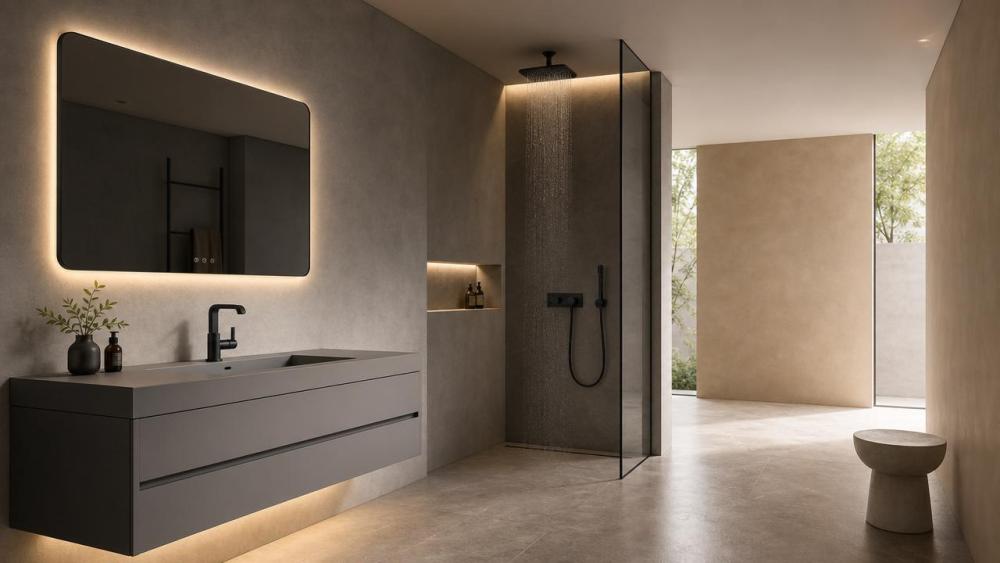
A premium line rarely depends on decoration alone. Instead, it uses industrial design trends to reduce visual noise, improve usability, and create a coherent product family across the bathroom space.
Current signals defining premium bathroom aesthetics
Several industrial design trends are now appearing repeatedly across high-end bathroom collections. These signals help explain why some lines feel current, while others look outdated even when their technical performance is similar.
- Minimalist geometry with soft edges and reduced ornamentation
- Matte, brushed, and fingerprint-resistant surface finishes
- Hidden fasteners, concealed drains, and cleaner installation lines
- Integrated smart control panels and touch-sensitive interfaces
- Water-saving structures that support sustainable positioning
- Antibacterial and easy-clean materials for hygiene confidence
These industrial design trends do more than improve appearance. They help premium bathroom lines answer practical concerns such as maintenance, user comfort, and visual consistency across a project.
Market value behind the design shift
Industrial design trends are becoming a commercial decision factor because they affect buyer perception at first glance. A refined product form can signal better engineering, stronger brand discipline, and higher project compatibility.
In premium bathroom lines, this creates several business advantages. First, design consistency supports upselling across product categories. Second, modern surfaces and smart interfaces improve showroom appeal. Third, better detailing helps products fit high-value residential, hospitality, and commercial renovation projects.
For the broader industrial ecosystem, these industrial design trends also connect to material innovation, water efficiency, and smart home integration. That makes them relevant not only to bathroom products, but also to the wider sanitary and interior materials chain.
Typical premium bathroom product directions
Premium bathroom lines are now being shaped by a few recurring product directions. The table below summarizes where industrial design trends are most visible.
This kind of mapping helps translate industrial design trends into concrete product planning instead of abstract style discussion.
Practical considerations when evaluating premium lines
Not every fashionable form is suitable for long-term premium positioning. The strongest industrial design trends usually pass three tests: manufacturability, maintenance, and consistency across product families.
- Check whether the surface finish can resist wear, water marks, and cleaning agents.
- Confirm whether the structure supports reliable installation in diverse project conditions.
- Evaluate whether the design language can extend across multiple bathroom items.
- Balance smart functions with intuitive use, not just visible technology.
- Review whether sustainability claims match actual material and water-performance data.
These checks reduce risk and help premium bathroom lines remain credible in both retail and project channels. Industrial design trends should improve product value, not create hidden complexity.
Actionable direction for portfolio planning
The best response to industrial design trends is not to chase every new look. It is to build a line that feels current, durable, and coherent. That means selecting a core visual language, pairing it with proven materials, and adding smart features only where they improve daily use.
For premium bathroom lines, the most effective next step is to review the portfolio through the lens of form, surface, and function. Products that deliver cleaner design, easier care, and stronger spatial harmony will be better positioned for premium spaces.
In a market shaped by industrial design trends, the winners are those that connect aesthetics with performance. Brands and channel partners that understand this balance can build clearer value propositions, support higher-margin sales, and stay relevant as bathroom expectations continue to rise.
Industry Briefing
Get the top 5 industry headlines delivered to your inbox every morning.