Residential construction trends changing buyer expectations
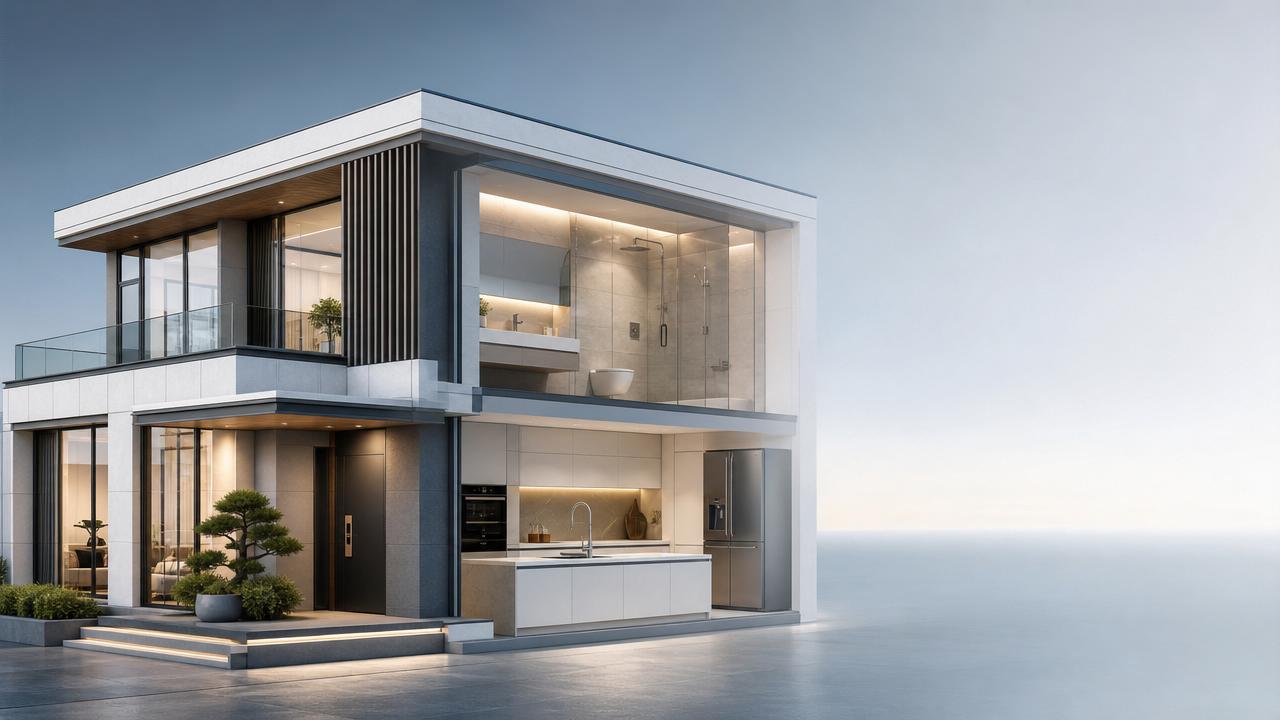
Residential construction trends are changing buyer expectations faster than many channel partners realize. For distributors, dealers, and agents, the key question is no longer which products are available, but which products will stay relevant as builders, developers, and homebuyers redefine value.
Today’s buyers expect homes to deliver lower operating costs, healthier indoor environments, stronger water efficiency, smarter control, better security, and more design flexibility. These shifts are directly influencing material selection, system specification, and upgrade budgets across residential projects.
For the channel, this creates both pressure and opportunity. Portfolios built around price alone are becoming easier to replace, while portfolios aligned with performance, sustainability, and intelligent living are gaining stronger specification potential and better margin resilience.
This article examines the residential construction trends that matter most to buyer expectations and explains how distributors can use them to make better stocking, brand, and project strategy decisions.
What is the real market signal behind changing buyer expectations?
The core search intent behind “residential construction trends” is practical, not academic. Readers want to know which housing trends are actually reshaping demand, which product categories are benefiting, and how to respond before competitors do.
For distributors and agents, the biggest concern is whether changing preferences are temporary lifestyle trends or structural market shifts. In most cases, they are structural because they connect to regulation, utility costs, health awareness, insurance risk, and digital adoption.
That means buyer expectations are no longer driven only by appearance. A beautiful home still matters, but modern buyers increasingly expect beauty to be combined with measurable performance in energy, water, hygiene, comfort, and security.
For channel businesses, the most useful lens is not “what is trending online,” but “what is repeatedly showing up in specifications, consultations, and post-sale customer questions.” That is where real demand transformation becomes visible first.
Energy efficiency is now a baseline expectation, not a premium extra
One of the clearest residential construction trends is the normalization of energy-efficient design. Buyers are reacting to higher energy costs, tougher building standards, and growing awareness that long-term operating costs shape the true affordability of a home.
This affects much more than insulation or windows. It influences demand for better-performing doors, improved sealing systems, efficient water heaters, low-consumption appliances, smart climate controls, and materials that support thermal stability across the building envelope.
For distributors, the implication is simple: products tied to energy performance should be positioned as value protection, not luxury. Developers and contractors increasingly need solutions that help projects meet code requirements while also supporting buyer marketing claims.
Channel partners who can explain lifecycle savings, compliance relevance, and specification compatibility will be more useful to builders than those who only offer broad catalogs and price lists.
It is also important to distinguish between “green branding” and actual performance proof. Buyers, developers, and procurement teams are becoming more selective. Certifications, test data, and transparent technical documentation are becoming stronger sales tools.
Healthier materials and indoor wellness are moving into the mainstream
Another major force changing buyer expectations is the demand for healthier indoor environments. Homebuyers are paying more attention to air quality, anti-bacterial surfaces, moisture resistance, and materials that reduce odor, mold risk, or chemical exposure.
This trend is especially relevant in kitchens, bathrooms, flooring, wall systems, and adhesives. In these spaces, buyers increasingly notice the difference between surfaces that simply look clean and systems that actively support hygiene and easier maintenance.
For dealers and distributors, this creates room for better product segmentation. Instead of selling solely on finish, format, or basic durability, portfolios can be organized around wellness benefits such as low-emission materials, anti-bacterial protection, and easier sanitation.
That matters because healthier materials often support stronger project storytelling. Builders can use them to differentiate family housing, senior living projects, urban apartments, and premium residential developments where hygiene and maintenance expectations are high.
From a business perspective, wellness-oriented materials can also reduce channel vulnerability to pure price competition. When products address a visible concern like family health or moisture control, the conversation becomes less about upfront cost and more about risk reduction.
Water efficiency is becoming a decisive factor in kitchens and bathrooms
Among all residential construction trends, water efficiency has one of the most direct links to specification decisions. Buyers want homes that reduce utility bills, support sustainability goals, and perform well in regions facing water stress or tighter efficiency regulations.
This is particularly important in sanitary spaces. Faucets, shower systems, toilets, valves, and related components are increasingly evaluated for flow efficiency, user comfort, durability, and compatibility with modern plumbing requirements.
For GIAM-aligned market observers, this is not just a hardware issue. It reflects a broader shift toward performance-driven living environments where every system is expected to work smarter, waste less, and remain easy to maintain over time.
Distributors should pay close attention to how water-saving technologies are packaged and communicated. Products that save water but weaken user experience may underperform. Products that combine conservation with pressure stability, aesthetic quality, and reliability are better positioned.
There is also a strong project-sales angle here. Developers and contractors often need products that help them meet sustainability targets without complicating installation or increasing callback risk. That makes dependable, well-documented water-efficient systems strategically valuable.
Smart home functions are no longer limited to luxury segments
Smart living has moved beyond novelty. Buyers now expect a practical layer of intelligence in residential spaces, especially where it improves convenience, safety, resource management, and day-to-day control.
In current residential construction trends, the most relevant smart categories include smart locks, connected kitchen appliances, sensor-based water controls, lighting systems, and energy management interfaces. These functions are becoming more normalized across mid-range housing.
For distributors, the key issue is not simply adding “smart” products. It is selecting systems that are interoperable, user-friendly, installer-friendly, and supported by credible after-sales service. Poor integration can damage both margin and reputation.
Buyer expectations are also changing in a subtle but important way. People increasingly want smart features that disappear into the home experience rather than demand constant technical attention. Simplicity, reliability, and intuitive control are now stronger selling points than complexity.
This creates opportunity for channel partners who can curate practical smart packages rather than overwhelming customers with fragmented choices. A focused offer often performs better than an extensive but confusing smart-home assortment.
Security, resilience, and risk awareness are shaping product demand
Modern homebuyers are more sensitive to risk than before. Concerns about break-ins, water damage, maintenance failure, and long-term repair costs are influencing buying decisions in ways that directly affect construction material and system demand.
As a result, residential construction trends increasingly favor products that improve resilience. Smart locks, leak detection, durable hardware, moisture-resistant surfaces, anti-slip solutions, and easy-replacement system components all align with this expectation.
For the channel, the strategic lesson is that security should be interpreted broadly. It includes personal safety, digital access control, material durability, and protection against hidden operational failures that create expensive service problems later.
Products with a strong resilience story are especially attractive in dense urban housing, multifamily projects, rental developments, and family-oriented homes where owners and operators want lower maintenance exposure.
Distributors who understand these risk concerns can sell more effectively to both builders and end-market influencers. They can frame products as tools for protecting property value and reducing future disruption, not just as construction inputs.
Design expectations now combine aesthetics with function
Buyers still care deeply about visual appeal, but expectations have evolved. Design is no longer judged only by style or trend alignment. It is increasingly evaluated by how well a space supports cleaning, storage, adaptability, and daily comfort.
This is especially visible in kitchens and bathrooms, where materials and fixtures are now expected to deliver visual consistency, space efficiency, and practical performance at the same time. Minimalist design often succeeds because it suggests both order and ease of maintenance.
For distributors and dealers, this means finish selection should not be separated from use-case understanding. A product may look competitive in a showroom but underperform if it does not support the maintenance habits, moisture conditions, or space constraints of actual projects.
The strongest portfolios therefore connect aesthetics to application logic. They help specifiers and contractors choose products not only by appearance, but also by traffic level, cleaning requirements, installation conditions, and expected occupancy profile.
This approach improves conversion quality and reduces mismatched recommendations. It also positions the distributor as a more strategic advisor in the specification process.
How distributors, dealers, and agents should respond to these market shifts
The most effective response to changing buyer expectations is portfolio realignment. Not every product category needs expansion, but every category should be reviewed through the lens of performance, compliance, wellness, efficiency, and smart-living relevance.
First, identify where your current sales depend too heavily on commoditized items. These products may still generate volume, but they are more vulnerable to pricing pressure and easier substitution in competitive tenders.
Second, build stronger depth in categories tied to clear demand drivers. In many markets, this includes water-saving sanitary systems, anti-bacterial or easy-clean materials, energy-supportive building products, and practical smart security solutions.
Third, upgrade how you communicate value. Sales teams need more than brochures. They need concise technical arguments, lifecycle value comparisons, compliance references, and use-case examples tailored to developers, contractors, and procurement teams.
Fourth, work more closely with upstream brands and downstream project stakeholders. Residential construction trends create advantage for channel players who can connect market intelligence with specification timing, inventory planning, and project-level customization.
Finally, avoid chasing every trend equally. The best opportunities usually sit where three factors overlap: recurring buyer demand, regulatory or cost pressure, and product categories where your business can credibly support installation and after-sales confidence.
What should channel businesses watch next?
Looking ahead, buyer expectations will likely continue moving toward measurable living quality. Homes will be judged more by how they perform across energy, water, hygiene, connectivity, and maintenance than by size or finish alone.
This will favor distributors who treat intelligence as a commercial tool. Tracking building standards, urbanization patterns, tariff changes, and emerging smart-space technologies will become increasingly important for product planning and market positioning.
It also means premium opportunities will not come only from luxury projects. Mid-market residential developments are becoming more sophisticated in how they evaluate value, especially when cost savings, durability, and convenience can be clearly demonstrated.
For GIAM’s audience, the strategic takeaway is clear: the future of residential distribution belongs to those who can translate construction evolution into better product curation, sharper project relevance, and more defensible margin structures.
Conclusion
Residential construction trends are changing buyer expectations in durable ways. Energy efficiency, healthier materials, water-saving systems, smart control, security, and functional design are no longer niche demands. They are becoming core decision criteria.
For distributors, dealers, and agents, this shift is not just a market challenge. It is a chance to move from transactional selling toward specification influence and higher-value solution positioning.
The channel businesses that win will be those that understand what buyers now expect from a home, recognize how those expectations shape product demand, and respond with portfolios that combine performance, trust, and practical market fit.
In that environment, knowing the latest residential construction trends is useful. Turning them into smarter inventory, stronger sales arguments, and better project alignment is what creates real competitive advantage.
Industry Briefing
Get the top 5 industry headlines delivered to your inbox every morning.