Why energy-saving architecture matters in retrofit planning
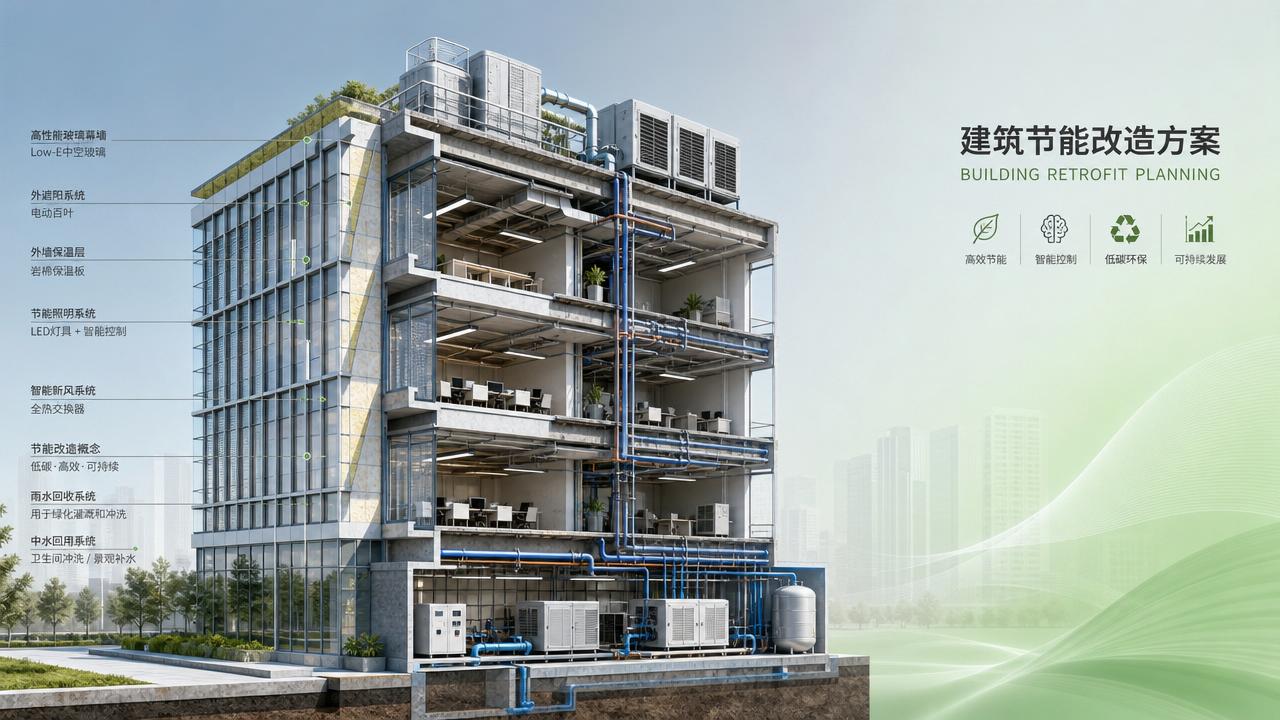
In retrofit planning, energy-saving architecture matters because it turns aging buildings into higher-performing assets with lower operating costs, stronger compliance, and better occupant outcomes. For project planning, it is a practical way to align capital decisions, material upgrades, system efficiency, and long-term building value.
Why energy-saving architecture needs a checklist approach
Retrofit work is rarely linear. Existing structures hide thermal weaknesses, outdated services, and code gaps that only appear after surveys or demolition begin.
A checklist keeps energy-saving architecture measurable. It reduces missed items, supports phased budgeting, and helps compare envelope, HVAC, lighting, water, and controls on the same decision framework.
This matters across the wider building industry, where carbon targets, tariff shifts, material sourcing, and smart-space expectations now influence retrofit planning as much as aesthetics or immediate repair needs.
Core checklist for energy-saving architecture in retrofit planning
- Audit the building first. Record energy bills, occupancy patterns, equipment age, envelope condition, and indoor comfort complaints before selecting any retrofit measure.
- Map heat loss paths. Inspect roofs, façades, windows, slab edges, and air leakage points to identify where the building wastes the most energy.
- Prioritize the envelope before plant upgrades. Improve insulation, glazing, shading, and airtightness so new systems are not oversized from the start.
- Check HVAC compatibility. Match chillers, boilers, heat pumps, ventilation units, and distribution networks with the reduced loads created by energy-saving architecture.
- Upgrade controls early. Integrate sensors, smart thermostats, zoning, and building management logic to capture savings that hardware alone cannot deliver.
- Review lighting with daylight strategy. Combine efficient fixtures, occupancy controls, and daylight-responsive dimming to lower electrical demand and cooling loads.
- Include water-related systems. Assess low-flow fixtures, hot water loops, pumps, and heat recovery because water efficiency often supports broader energy-saving architecture goals.
- Verify material performance data. Compare thermal resistance, durability, embodied carbon, maintenance cycles, and compliance certificates before approving substitutions.
- Sequence work around occupancy. Plan phased shutdowns, temporary services, and access zones so retrofit gains do not create avoidable operational disruption.
- Model life-cycle value, not only first cost. Test payback, maintenance, energy volatility, and asset value uplift to support resilient retrofit decisions.
- Confirm code and incentive alignment. Check local energy standards, green building rules, grants, and reporting obligations before procurement begins.
- Commission and measure results. Set post-retrofit benchmarks, verify controls, and compare predicted versus actual performance after handover.
How energy-saving architecture applies in different retrofit scenarios
Office and commercial space upgrades
In offices, energy-saving architecture often begins with glazing, shading, ventilation balance, and lighting controls. These measures improve comfort while reducing peak cooling demand.
Commercial projects also benefit from smart scheduling. Variable occupancy means controls and zoning usually deliver fast returns when paired with envelope improvements.
Residential building retrofits
In housing, the strongest gains often come from insulation, window replacement, air sealing, and domestic hot water optimization. These directly affect utility bills and year-round comfort.
Energy-saving architecture in residential settings should also address moisture control. Airtight upgrades without ventilation planning can create condensation and indoor air quality problems.
Hospitality, sanitary, and wet-area renovation
Hotels, sanitary spaces, and washrooms combine high water use with long operating hours. Efficient fixtures, recirculation control, and durable low-maintenance finishes become critical.
Here, energy-saving architecture works best when water-saving technologies, anti-bacterial materials, and ventilation improvements are specified together rather than as isolated upgrades.
Smart kitchen and service-area modernization
Kitchens and back-of-house areas carry dense loads from exhaust, hot water, refrigeration, and plug equipment. Retrofit planning should target demand reduction before adding larger systems.
Smart monitoring, efficient appliances, and better airflow control support energy-saving architecture by cutting wasted runtime and improving maintenance visibility.
Commonly overlooked items and risk reminders
Ignoring interaction between systems
Envelope, lighting, and HVAC changes affect one another. A better façade can reduce cooling loads, which may change equipment sizing and ventilation strategy.
Treating compliance as a late-stage task
Energy codes, product certifications, and reporting rules can alter material selection and lead times. Late compliance checks often cause redesign, cost growth, and procurement delays.
Choosing products on headline efficiency alone
Rated performance does not guarantee project performance. Installation quality, controls logic, climate suitability, and maintenance access determine whether savings are actually achieved.
Missing occupant behavior and operational realities
Buildings do not operate exactly as models predict. Opening windows, after-hours use, and unmanaged overrides can erode the value of energy-saving architecture.
Underestimating material durability
Retrofit planning should compare service life, cleaning demands, replacement cycles, and moisture resistance. Short-lived materials can cancel expected savings through premature failure.
Practical execution advice
- Start with a baseline model and utility history, then update assumptions after site investigation and opening-up works.
- Bundle quick wins with deep retrofit items so early savings help justify longer-payback measures.
- Use mock-ups for façade, sanitary, and smart-system interfaces where installation quality strongly affects thermal or water performance.
- Specify measurable acceptance criteria for airtightness, control response, commissioning, and post-occupancy verification.
- Track substitutions carefully, especially when tariffs, logistics, or local availability pressure the approved material schedule.
Summary and next-step action guide
Energy-saving architecture matters in retrofit planning because it connects performance, compliance, operating cost, material strategy, and user experience in one disciplined process.
The most effective path is to audit first, prioritize the envelope, coordinate systems, validate materials, and commission outcomes against clear benchmarks.
For a stronger retrofit roadmap, build a project checklist around energy-saving architecture, rank measures by life-cycle value, and verify each decision against real site conditions. That step turns renovation from reactive repair into durable asset improvement.
Industry Briefing
Get the top 5 industry headlines delivered to your inbox every morning.