
Residential Building Materials That Look Premium but Wear Fast
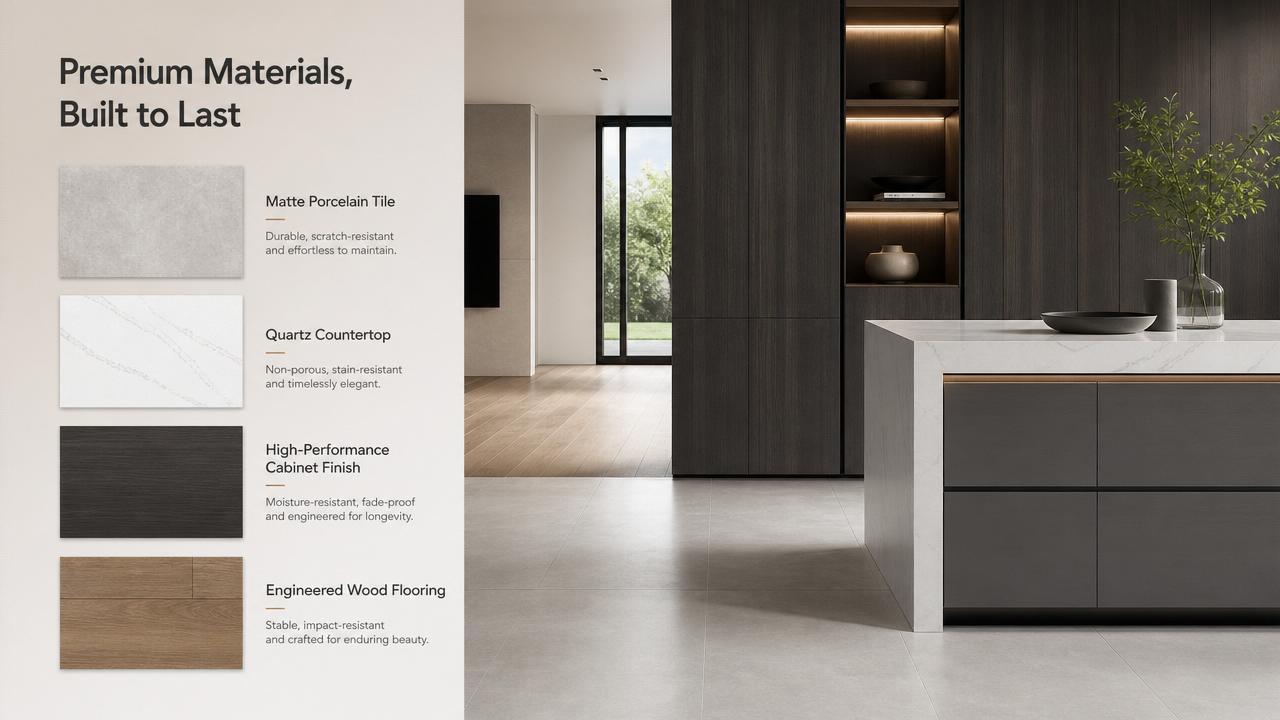
Many residential building materials look refined in photos, showrooms, and staged homes. Yet daily traffic, moisture, sunlight, and cleaning routines often expose hidden weaknesses much sooner than expected.
That gap between appearance and performance is shaping how people evaluate residential building materials today. Long-term value now matters as much as visual impact, especially as replacement costs keep rising.
This guide reviews premium-looking options that wear fast, explains why they fail early, and outlines smarter ways to compare residential building materials before choosing finishes for modern living spaces.
A visible shift is changing how residential building materials are judged
For years, design decisions leaned heavily toward first impressions. Matte textures, glossy stone effects, and soft natural finishes became symbols of upscale living.
Now the market is moving toward evidence-based selection. Surface durability, stain resistance, scratch behavior, and maintenance burden are becoming central evaluation points for residential building materials.
This shift reflects a broader pattern across housing, renovation, and interior architecture. Beautiful finishes still matter, but resilience under real household conditions matters more.
Platforms such as GIAM track this transition closely. Material intelligence increasingly connects aesthetics, lifecycle cost, hygiene performance, and sustainability in one practical decision framework.
Several premium-looking residential building materials lose appeal faster than buyers expect
Some finishes create immediate visual luxury but struggle with everyday wear. The issue is not always poor quality. Often, the material simply fits the wrong environment.
High-gloss engineered surfaces
Glossy cabinetry panels and polished synthetic surfaces reflect light beautifully. However, fingerprints, swirl marks, and micro-scratches become visible almost immediately in busy homes.
Soft natural wood flooring
Species with softer densities can look warm and exclusive. Yet dents from furniture, pet claws, and dropped objects often age these residential building materials faster than expected.
Low-grade marble and porous stone
Stone signals prestige, especially in kitchens and baths. But porous surfaces can etch, stain, and dull quickly when exposed to acids, soap residues, and frequent moisture.
Luxury vinyl with thin wear layers
Some vinyl planks imitate oak or stone impressively. Still, lower wear layers may fade, peel, or scratch early, reducing the premium effect of these residential building materials.
Open-pore matte tiles
Matte finishes feel current and elegant. Yet certain textured tiles trap grime and show cleaning streaks, making maintenance harder than smoother alternatives.
Decorative wall panels with delicate coatings
Metallic, lacquered, or fabric-faced panels elevate interiors visually. However, impact sensitivity, edge damage, and fading can shorten their useful life in active residential zones.
The fastest wear patterns usually come from a few repeating drivers
The weak point is rarely style alone. Early deterioration usually results from a mismatch between performance expectations and the true demands of daily use.
- Cleaning products may be too aggressive for delicate finishes.
- Installation flaws can accelerate edge breakdown and moisture intrusion.
- Strong daylight often fades coatings faster than showroom conditions suggest.
Premium appearance is no longer enough in kitchens, baths, and living spaces
Different home zones stress residential building materials in different ways. A beautiful finish may perform well in one room and fail quickly in another.
Kitchens demand chemical and abrasion resistance
Grease, acids, heat, and repeated wiping punish weak surfaces. Countertops, backsplashes, and cabinet fronts need more than style-led specification.
Bathrooms test moisture stability
Steam, standing water, and mineral deposits quickly reveal vulnerable residential building materials. Sealers, edge treatments, and slip behavior deserve close attention.
Entryways and hallways expose surface weakness
Sand, grit, shoes, and wheeled movement create harsh abrasion. Premium-looking flooring often loses its finish first in these transition areas.
Family zones need low-maintenance realism
Living rooms and dining spaces benefit from residential building materials that hide minor marks. Perfect surfaces often become frustrating surfaces after regular use.
The business impact of fast-wearing residential building materials is becoming harder to ignore
Early wear affects more than appearance. It changes lifecycle cost, maintenance frequency, occupant satisfaction, and the perceived quality of the entire space.
In renovation cycles, fragile finishes can trigger replacement far earlier than planned. That raises labor costs, waste generation, and disruption within occupied homes.
For the wider building ecosystem, this creates pressure for better material transparency. Performance claims now need stronger evidence, not just appealing surface design.
GIAM’s sector perspective highlights the same pattern across smart kitchens, sanitary spaces, and interior finishes. Durability is moving from a technical note to a strategic selling point.
Stronger material decisions start with a practical screening checklist
Before selecting residential building materials, it helps to compare visual appeal with measurable performance. A short review process can prevent expensive regret.
- Ask how the surface behaves after two years, not two weeks.
- Check scratch, stain, moisture, and UV resistance data.
- Review required maintenance frequency and approved cleaning methods.
- Match each finish to traffic level and room conditions.
- Request full wear-layer, coating, or sealing specifications.
- Compare replacement cost, not just initial material price.
Useful questions during evaluation
- Will this finish show scratches under direct light?
- Can moisture enter through edges, joints, or pores?
- Does the material need sealing, polishing, or special cleaners?
- Is the premium look created by a durable structure or a thin coating?
Smarter alternatives often deliver the same visual effect with better lifespan
The goal is not to avoid elegant residential building materials. The goal is to choose versions engineered for actual residential conditions.
The next phase of residential building materials will reward verified performance
Expect stronger demand for materials that combine premium design with measurable endurance. Buyers increasingly want proof of lifecycle performance, not only showroom elegance.
This points toward denser surfaces, better coatings, easier cleaning, and data-backed durability. It also aligns with sustainability goals by reducing premature replacement.
When comparing residential building materials, use appearance as the starting point, not the conclusion. The best-looking choice is the one that still looks strong after years of use.
For deeper insight into evolving material standards, sanitary space innovation, and smart interior systems, follow GIAM’s intelligence updates and assess every finish through a long-term performance lens.
Industry Briefing
Get the top 5 industry headlines delivered to your inbox every morning.