
KBB Birmingham 2026 Sees 37% Exhibitor Surge
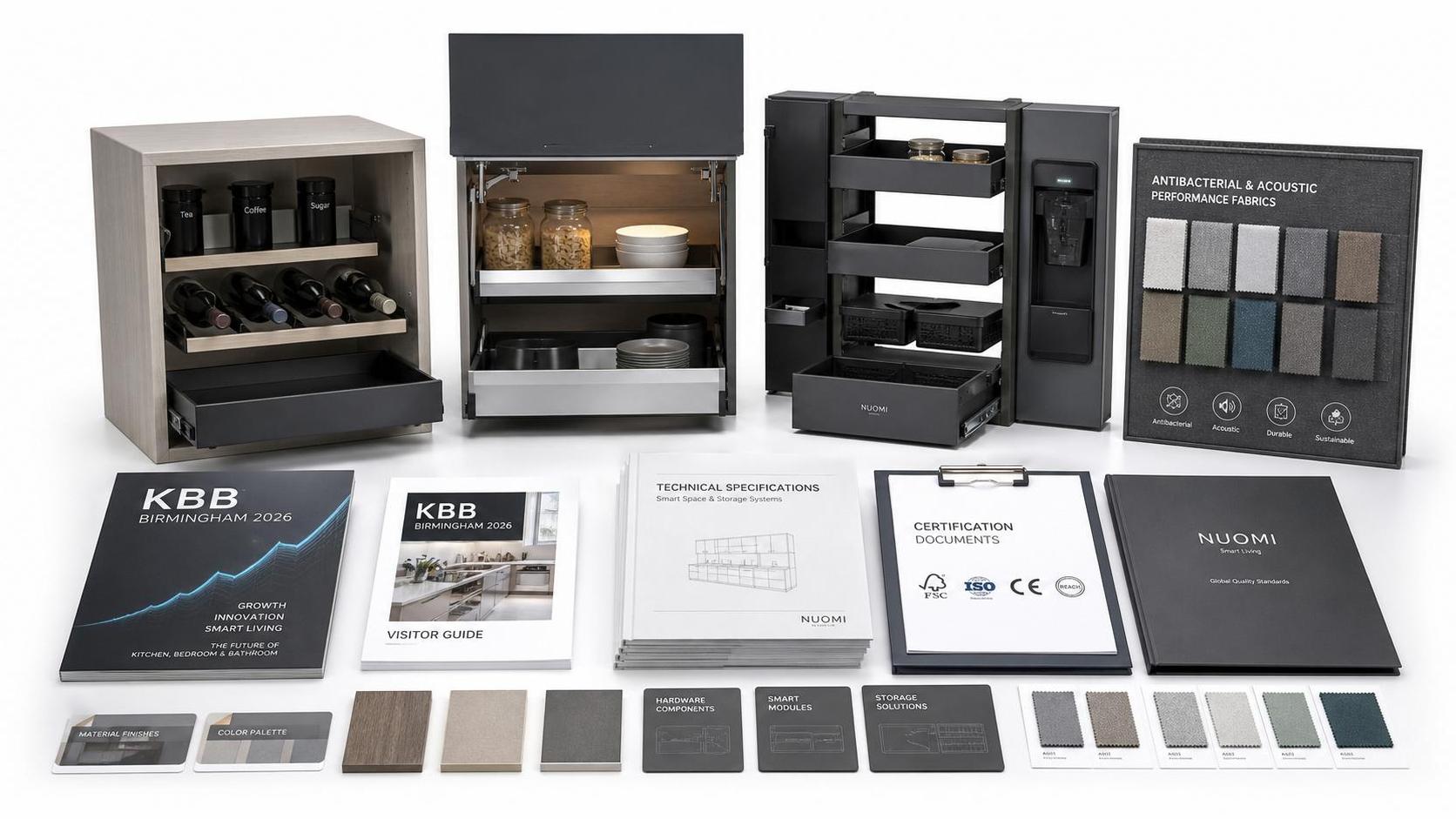
KBB Birmingham 2026, scheduled for September 15 to 18, has become a useful market signal rather than just a trade show update. Based on final exhibitor figures released by the organizer on June 30, the sharp rise in participation and the entry of Tech Textiles and Smart Cabinets into the top five product categories suggest that compliance-heavy, specification-driven smart space products are gaining commercial visibility. That matters for manufacturers, exporters, buyers, channel operators, and service providers because changes in category mix often flow into procurement standards, technical documentation, certification review, delivery planning, and after-sales responsibilities.
What the confirmed show data actually says
The organizer of KBB Birmingham in the UK released final participation data on June 30, 2026 for the edition taking place from September 15 to 18, 2026. The event confirmed 1,842 exhibitors, representing a year-on-year increase of 37%.
Among the confirmed category shifts, Tech Textiles and Smart Cabinets entered the top five popular product categories for the first time. In the event summary, Tech Textiles refers to intelligent antibacterial curtains and acoustic wall fabrics, while Smart Cabinets refers to electric lift cabinets and IoT-integrated kitchen cabinetry.
The same event summary states that booth bookings by the China pavilion doubled year on year. The main bookings came from smart space solution providers based in Guangdong and Zhejiang.
Where the pressure may move across the supply chain
Specification alignment is likely to become more demanding for smart product exporters
Analysis shows that exporters and manufacturers tied to smart interior and kitchen-bath solutions may face tighter buyer scrutiny at the specification stage when categories such as IoT-integrated cabinets and functional textiles gain share in a major exhibition environment. The likely impact is not a confirmed regulatory change by itself, but a stronger practical need to match product claims, technical files, installation requirements, and product descriptions with buyer expectations and downstream compliance checks.
What deserves closer attention is whether sales materials, testing references, user instructions, and performance statements are consistent across quotations, samples, and delivery documents. For firms entering these categories through exhibition-driven lead generation, inconsistencies in technical representation can quickly become a trade and contract risk.
Procurement teams may shift from price comparison to documentation review
From an industry perspective, buyers and sourcing teams may increasingly treat these emerging categories as documentation-sensitive products rather than standard decorative items. Tech Textiles linked to antibacterial or acoustic functions, and Smart Cabinets linked to electrical or connected features, can draw more attention to supporting reports, technical declarations, installation compatibility, and supplier qualification records.
The business impact would likely appear in tender screening, supplier onboarding, sample approval, and contract annex review. Purchasers should therefore watch for changes in bid documents, product specification sheets, and required supporting materials, even where no new formal rule is confirmed in the event summary itself.
Channel and delivery operators may need earlier coordination on service obligations
Observably, distributors, project channels, and supply chain service providers may be affected when product categories move toward higher technical integration. Smart Cabinets in particular may require closer coordination across packaging, transport protection, installation sequencing, on-site acceptance, and after-sales fault tracing.
For these participants, the practical issue is less about the exhibition count alone and more about whether delivery commitments, warranty terms, spare parts handling, and service documentation remain adequate as product complexity rises. This is especially relevant when cross-border orders are generated through exhibition exposure and then executed under different commercial and technical expectations.
What companies should watch before this signal turns into a sourcing rule
Review product claims before market-facing promotion expands
Analysis shows that companies active in Tech Textiles and Smart Cabinets should review how antibacterial, acoustic, electric, or IoT-related claims are presented in brochures, booth materials, quotations, and technical sheets. The event data confirms category momentum, but it does not confirm uniform market acceptance of every claim format. That makes internal consistency and evidence readiness more important.
Track whether buyer requirements become more document-led
What deserves closer attention is whether post-show procurement requests begin to ask for more testing reports, technical specifications, installation instructions, or supplier qualification materials. The event summary does not provide those execution details, so this should be treated as a watchpoint rather than an established outcome.
Prepare for tighter coordination between sales, engineering, and delivery teams
For companies from Guangdong and Zhejiang smart space solution clusters, the doubling of China pavilion booth bookings suggests stronger front-end market activity. Observably, that can place pressure on back-end functions such as sample confirmation, lead-time planning, export paperwork, and after-sales response workflows. Firms should make sure commercial commitments made during exhibition outreach can be supported by engineering files and delivery capacity.
Watch official wording and downstream adoption, not just headline demand
It is more appropriate to understand this development as an execution signal from the market side. Companies should continue monitoring official event communications, procurement language, buyer qualification requests, and any later changes in certification or technical acceptance practice that may follow stronger category visibility.
Why this looks more like an execution signal than a settled rule change
Analysis shows that the confirmed information does not establish a new statute, regulation, or certification regime on its own. However, the exhibitor surge, the rise of Tech Textiles and Smart Cabinets into the top five categories, and the increase in China pavilion bookings together point to a shift in where compliance-sensitive commercial attention may be moving.
From an industry perspective, this is best read as a market-led signal that could influence future sourcing behavior, specification language, qualification review, and delivery expectations. Whether that develops into more formalized compliance thresholds still requires observation of buyer practice, tender wording, product acceptance criteria, and industry feedback after the show cycle advances.
How the market should read the development for now
The immediate significance of this event is not simply that KBB Birmingham 2026 is larger. It is that the growth is accompanied by stronger visibility for product categories that typically involve more technical claims, more integration requirements, and more downstream documentation pressure.
Current conditions make it more appropriate to understand this news as a practical market indicator with possible implications for procurement standards, supplier review, and delivery execution, rather than as a completed regulatory outcome. Companies with exposure to smart textiles, connected cabinetry, and integrated space solutions should therefore treat the development as a signal to tighten documentation readiness and monitor follow-on market requirements.
Basis of this article and what still needs verification
This article is generated from the user-provided news title, event date, and event summary. For developments of this type, commonly relevant source categories may include organizer announcements, regulator releases, customs or trade authority information, industry association updates, standards body documents, and reporting by established trade media.
No specific official source link was provided in the input, so the underlying source trail still needs continued verification. Observably, the areas that warrant further tracking include any later official clarification, changes in certification practice, updates in tender documentation, buyer-side specification adjustments, market feedback after the exhibition period, and how participating companies actually execute delivery and after-sales obligations.
Industry Briefing
Get the top 5 industry headlines delivered to your inbox every morning.