
Vietbuild 2026 Highlights New Hotel Textile Requirements
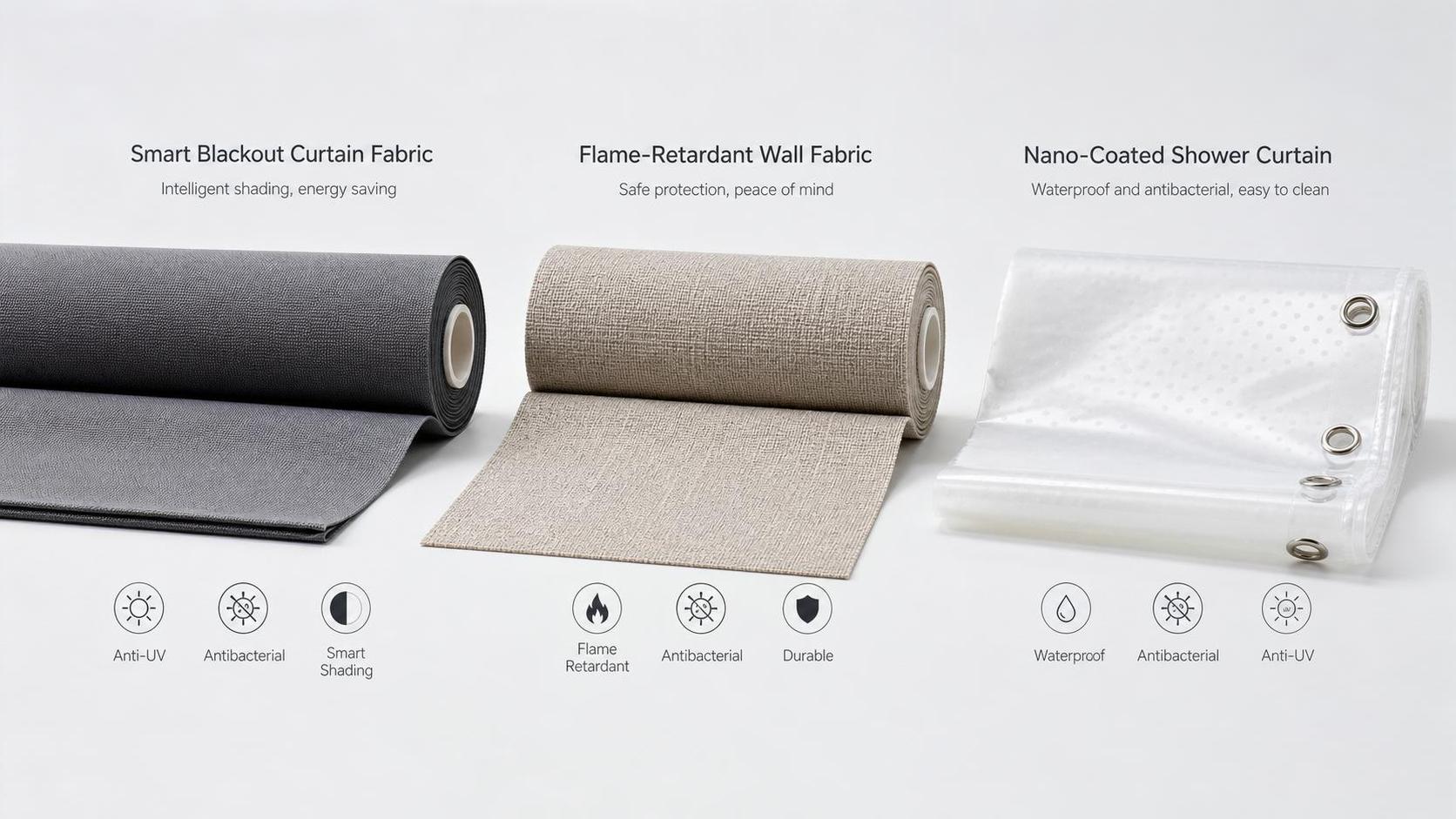
On June 22, 2026, the close of Vietbuild in Ho Chi Minh City pointed to a clear procurement shift in Southeast Asia’s new hotel pipeline: technical textiles with antibacterial, flame-retardant, and UV-protective functions are drawing concentrated inquiries from new hotel projects under Marriott and Accor. From an industry perspective, the development matters not only because of stronger order interest reported by Chinese exhibitors, but because it signals that product performance claims, testing readiness, certification alignment, and delivery timing are becoming more important in hotel textile sourcing. What deserves closer attention is the acceleration of ISO 18184 adoption on domestic textile composite lines, as this begins to connect market demand with a more standards-driven purchasing and compliance process.
What the exhibition actually confirmed
According to the event summary, Vietbuild in Ho Chi Minh City closed on June 22, 2026, with technical textiles such as smart blackout curtains, fire-resistant wall fabrics, and nano-coated shower curtains receiving concentrated inquiries from Southeast Asian new hotel projects under Marriott and Accor. The products highlighted in the inquiries were described as having antibacterial, flame-retardant, and UV-protective features. Chinese exhibitors reported that order intention increased by 140% year on year, and the main delivery window was concentrated in Q4 2026 through Q1 2027. The same summary indicates that this trend is accelerating the introduction of the ISO 18184 antiviral testing standard on domestic textile composite production lines.
Why this matters beyond booth traffic
Performance claims are moving closer to procurement thresholds
Analysis shows that manufacturers and exporters of hospitality textiles may be affected first because the inquiry focus is no longer limited to appearance or price. When antibacterial, flame-retardant, and UV-protective functions become part of active project discussions, product specifications, test documentation, and consistency of technical claims are more likely to shape qualification, sampling, and bid alignment. For these suppliers, the main business impact may fall on specification sheets, test reports, product labeling, and internal quality control records.
Certification and testing service providers may see earlier involvement
Observably, the mention of faster ISO 18184 adoption suggests that testing and certification-related service providers could become involved earlier in the sales cycle. Their role may shift from supporting shipments after orders are secured to helping suppliers prepare pre-qualification materials, performance evidence, and supporting documents before procurement decisions are finalized. What deserves closer attention is whether buyers begin to treat antiviral testing and related functional validation as practical screening tools in addition to conventional product review.
Supply chain and delivery planning are becoming part of compliance readiness
From an industry perspective, the concentrated delivery window in Q4 2026 to Q1 2027 may affect processors, composite line operators, and supply chain service companies because compliance readiness is closely tied to delivery execution. If a supplier needs additional testing, document updates, or product adjustments to align with buyer requirements, those steps can directly affect lead times, production scheduling, and shipment planning. In that sense, delivery capability and documentation readiness may need to be managed together rather than separately.
Hotel buyers may place more weight on verifiable technical documentation
For procurement teams and project buyers, the development suggests a possible shift toward more structured evaluation of functional textiles. The practical impact may appear in tender files, technical annexes, approved material lists, and supplier qualification reviews. Analysis shows that where functional claims are central to procurement interest, buyers are likely to pay closer attention to whether product statements can be matched by consistent reports, technical files, and traceable production information.
Where companies should focus next
Prepare technical files around the claims already attracting demand
Companies supplying blackout curtains, wall fabrics, shower curtains, and related hospitality textile products should pay close attention to whether antibacterial, flame-retardant, and UV-protective claims are clearly supported in their technical documentation. If market interest is moving in that direction, gaps between sales language and test-backed product descriptions could become a practical risk in procurement discussions.
Track how ISO 18184 is used in actual qualification requests
It is more appropriate to understand the current signal as an emerging execution trend rather than a fully defined rule outcome. For that reason, exporters and manufacturers should watch whether ISO 18184 appears more frequently in buyer questionnaires, sample review requirements, technical appendices, or supplier approval materials. The key point is not to assume a uniform requirement, but to monitor how the standard is being translated into real purchasing language.
Review lead times together with testing and approval cycles
Given the reported delivery concentration between Q4 2026 and Q1 2027, companies should examine whether current production schedules leave enough time for testing, document preparation, sample confirmation, and any compliance-related revisions. Observably, the commercial opportunity and the compliance burden may rise at the same time, especially where project schedules are fixed but product validation is still evolving.
Keep traceability and after-sales documentation ready
Where hospitality projects involve functional textile claims, post-delivery questions may extend beyond product appearance and include consistency of materials, coatings, and tested performance. From an industry perspective, suppliers should be ready to maintain traceable records covering product batches, supporting reports, and technical descriptions, because these materials can matter both during procurement and after installation.
A market signal, but not yet a complete rulebook
Analysis shows that this development is best read as a strong execution signal from the market rather than as proof that one unified compliance threshold is already in force across all projects. The combination of concentrated inquiries, a reported rise in order intention, and faster movement toward ISO 18184 suggests that functional textiles are being evaluated more seriously in hotel sourcing. At the same time, further observation is still needed on how buyers define acceptable evidence, how technical requirements are written into procurement documents, and whether testing expectations remain consistent across projects and suppliers.
How to read this development now
At this stage, the more balanced interpretation is that hotel textile procurement in Southeast Asia is showing stronger preference for verifiable functional performance, and that this preference may begin to influence standards adoption, supplier qualification, and delivery preparation at the factory level. The event does not by itself confirm a finalized regulatory framework or a uniform purchasing rule, but it does indicate that compliance-oriented product positioning is becoming more relevant in actual project discussions. For industry participants, the immediate value of this signal lies in preparing documentation, testing pathways, and delivery planning before demand converts into harder procurement conditions.
Basis of this article
This article is generated from the user-provided news title, event date, and event summary. The factual basis is limited to the reported close of Vietbuild in Ho Chi Minh City on June 22, 2026, the concentrated inquiries for technical textiles with antibacterial, flame-retardant, and UV-protective functions, the 140% year-on-year increase in order intention reported by Chinese exhibitors, the delivery window in Q4 2026 to Q1 2027, and the acceleration of ISO 18184 adoption on domestic textile composite lines. For events of this type, relevant source categories typically include official event releases, regulatory or trade authority information, industry association updates, standard organization documents, tender materials, and reporting by established industry media. No specific official source link was provided in the input, so later verification is still needed on procurement wording, certification practice, standard application methods, buyer documentation requirements, and subsequent industry feedback.
Industry Briefing
Get the top 5 industry headlines delivered to your inbox every morning.