
Vietnam Tightens Import Testing for Digital Locks
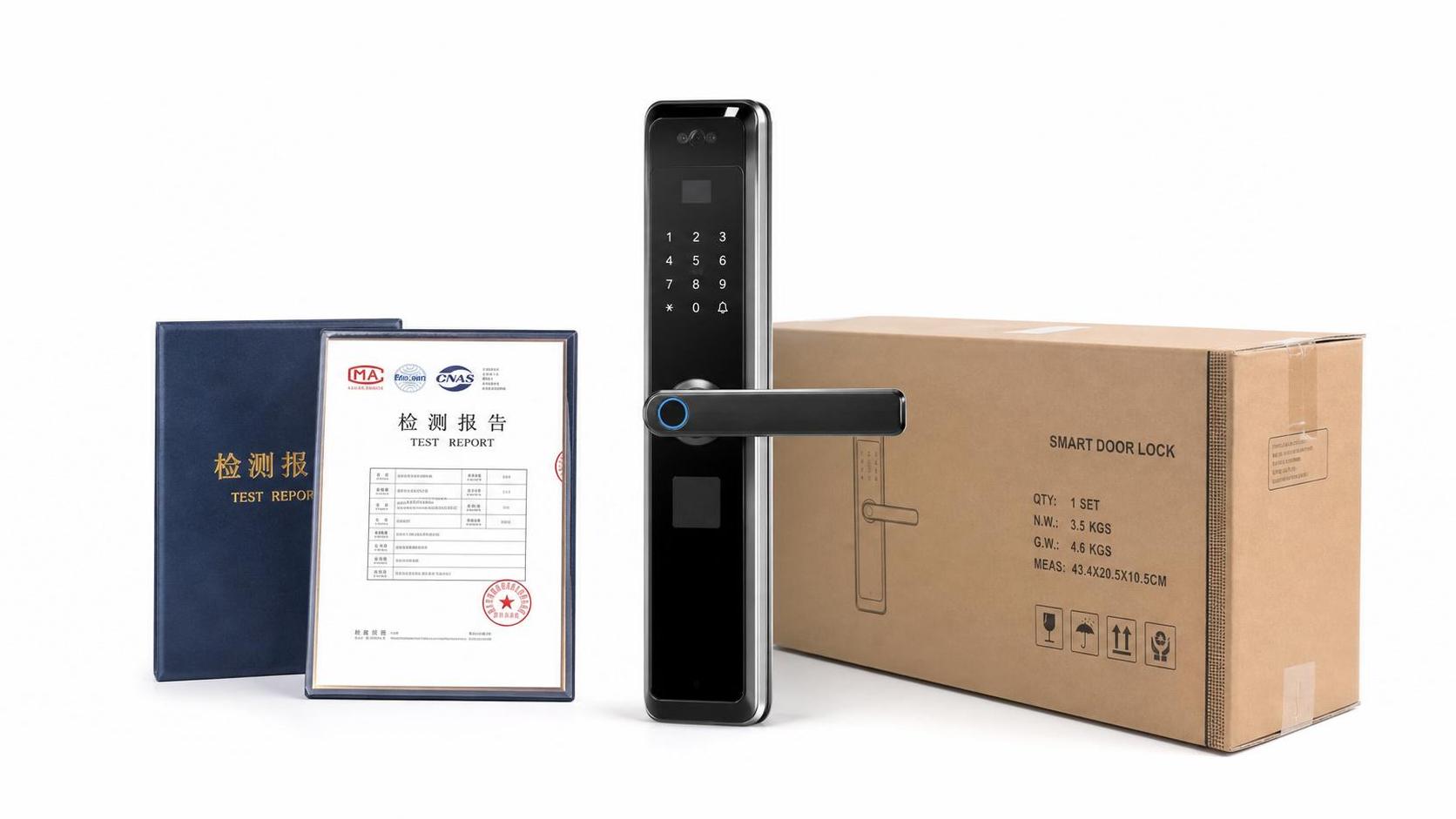
On July 1, 2026, Vietnam began mandatory enforcement of QCVN 129:2026, a standard covering smart lock security and AI biometric performance. Under the rule, imported digital locks must complete an on-site AI stress test at QUATEST 3 in Hanoi before customs clearance, bringing a direct compliance checkpoint into the import process. This deserves close attention from importers, exporters, procurement teams, certification-related service providers, and delivery planners because the new requirement sits directly between shipment arrival and market entry.
A new customs gate tied to local AI testing
According to the provided information, STAMEQ made QCVN 129:2026 mandatory on July 1, 2026. The standard is titled as a smart lock security and AI biometric performance standard.
The confirmed requirement is that all imported digital locks must pass an on-site AI pressure test at QUATEST 3 in Hanoi. The test includes simulated scenarios involving more than 3,000 consecutive live-attack attempts as well as interference under strong-light and low-light conditions.
The provided information also states that products without the required test certificate are not allowed to clear customs.
Where the pressure is likely to appear first
Import transactions now face a hard compliance checkpoint
From an industry perspective, direct trading companies handling imported digital locks are likely to feel the impact first because the rule links product entry to a local test certificate. The practical effect is concentrated in customs preparation, document readiness, shipment scheduling, and release planning. What deserves closer attention is whether existing import files, product compliance packets, and delivery commitments are structured around this local testing requirement rather than relying only on prior product claims or overseas test materials.
Export-side suppliers may need to adjust pre-shipment coordination
For exporters shipping digital locks into Vietnam, the change may affect how products are prepared for market access, even though the mandatory checkpoint takes place locally. Analysis shows that suppliers may need closer coordination with their Vietnam-side partners on technical documentation, product configuration consistency, and testing readiness, because the imported product must ultimately pass the on-site AI stress test before clearance.
Procurement and delivery planning may become more sensitive to test timing
Buyers, distributors, and project procurement teams may also be affected because the rule introduces a compliance step that can influence handover timing. Observably, the issue is not only whether a product can be ordered, but whether the supporting compliance path has been incorporated into procurement schedules, delivery commitments, and vendor qualification checks for imported digital locks intended for the Vietnam market.
Testing and certification-related services gain a more central role
Certification-related firms, testing support providers, and supply chain service companies may need to pay closer attention because the rule shifts part of market access control toward a named local testing process. The immediate business focus is likely to fall on document handling, test coordination, and shipment-to-clearance sequencing. Analysis shows that service providers involved in compliance support should closely track how importers interpret certificate readiness and what supporting records may be expected around the local test process.
What companies should review now
Check whether product files align with the local test requirement
Companies involved in importing or supplying digital locks into Vietnam should first review whether their current technical files, compliance materials, and internal product descriptions are sufficient for a process centered on local AI biometric stress testing. The immediate issue is not broader market positioning, but whether the product package is organized around the specific local requirement now tied to customs clearance.
Reassess delivery plans and procurement commitments
Analysis shows that delivery planning deserves careful review because the rule creates a mandatory step before imported goods can be released. Businesses should pay attention to whether procurement plans, shipment windows, and customer delivery expectations assume uninterrupted clearance, especially where digital locks are being supplied into time-sensitive projects or channel orders.
Watch for execution language and operating interpretation
The provided information confirms the mandatory testing requirement and the customs consequence, but it does not provide fuller operating detail beyond that. It is therefore more appropriate to monitor how official wording, implementation practice, and compliance interpretation develop around testing procedures, certificate handling, and supporting submission expectations rather than assume a fully settled execution framework from the outset.
Review supplier qualification and after-sales traceability
From an industry perspective, firms should also examine whether supplier qualification checks and after-sales traceability records are robust enough for a market where local testing has become a condition of entry. This is not yet a statement about changed liability outcomes; it is a practical reminder that product identity, documentation consistency, and traceable service records may matter more when compliance review is tied directly to import release.
Why this looks like an execution signal, not just a standards update
Analysis shows that this development is better understood as an execution-level market access signal rather than a purely symbolic standards announcement. The decisive point in the provided information is that imported digital locks without the test certificate cannot clear customs. That moves the issue from a technical reference framework into a direct operational requirement for trade, procurement, and delivery.
At the same time, it remains important to separate confirmed facts from broader assumptions. Observably, the rule has already been described as mandatory and linked to customs clearance, but the market still needs to watch how implementation language, supporting documentation expectations, and business responses take shape in practice.
How to read the change at this stage
At this stage, the most reasonable reading is that Vietnam has introduced a concrete local compliance threshold for imported digital locks under QCVN 129:2026, with AI biometric stress testing positioned as a precondition for customs clearance. For the industry, the significance lies less in abstract policy direction and more in the immediate link between testing, certification evidence, and product release. It is more appropriate to understand this as a rule already in force with practical trade implications, while still keeping close watch on how implementation details and market feedback develop.
Basis of this article and what still needs verification
This article is based on the user-provided news title, event date, and event summary. For developments of this kind, commonly relevant source categories may include official regulatory notices, publications from supervisory authorities, customs or trade administration updates, industry association communications, standards organization documents, and reporting by authoritative media.
No specific official source link was provided in the input, so that point still requires follow-up verification. Observably, the areas that merit continued attention include any further policy detail, certification execution practice, changes in bidding or procurement documents, market feedback, and how affected companies implement the requirement in actual import and delivery workflows.
Industry Briefing
Get the top 5 industry headlines delivered to your inbox every morning.