
Construction industry delays often start with material mismatch
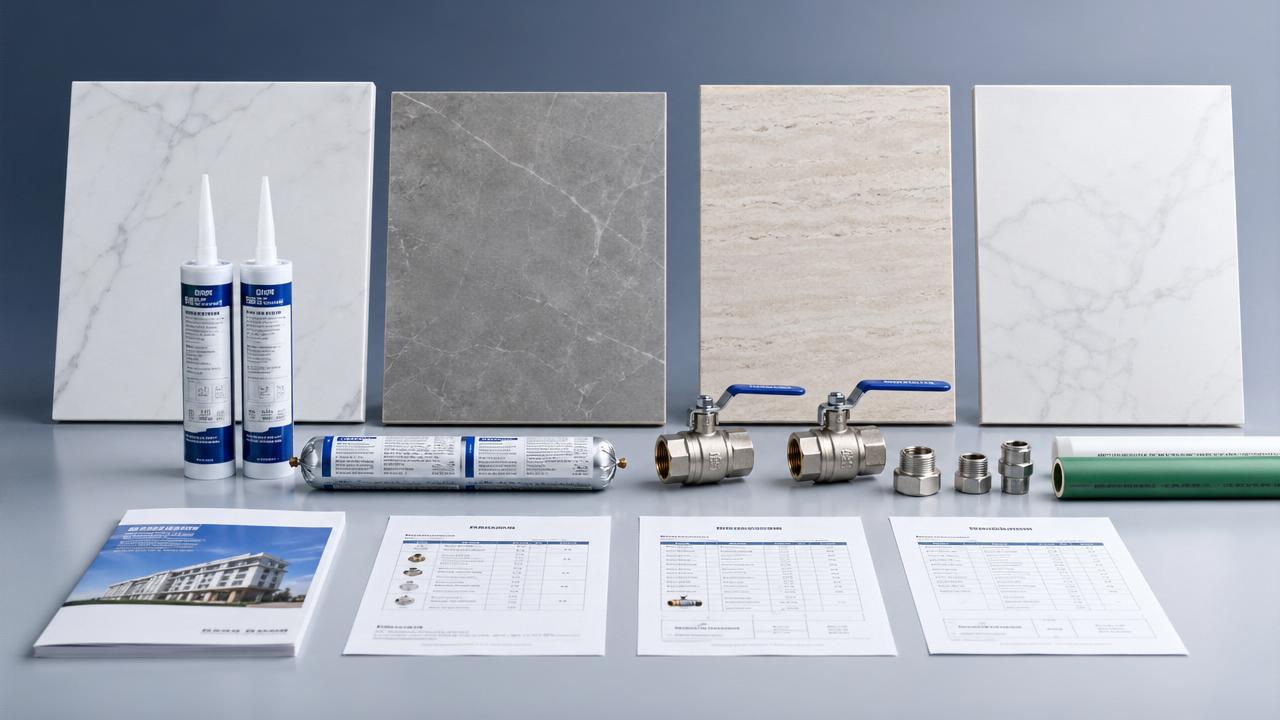
In the construction industry, costly delays often begin long before installation—when materials fail to match project specifications, safety standards, or site conditions. For quality control and safety managers, identifying these mismatches early is essential to preventing rework, compliance risks, and schedule overruns. This article explores why material alignment matters and how smarter selection can protect both project timelines and performance.
Material mismatch is rarely a minor procurement issue. In practice, it can trigger failed inspections, unsafe installations, incompatible system performance, damaged finishes, and disputes between project stakeholders. For professionals responsible for quality and site safety, the real challenge is not simply checking whether a product was delivered, but whether it is the correct product for the actual design, code environment, use case, and installation sequence.
The core reality is straightforward: many construction delays do not start on the jobsite; they start in the gap between approved specifications and purchased materials. When that gap is missed, the project pays for it later through rework, hold points, substitution reviews, labor inefficiency, and elevated risk exposure. A stronger material verification process is therefore not an administrative burden—it is a schedule protection tool.
Why material mismatch becomes a delay issue so quickly
In the construction industry, time is tightly linked to coordination. Materials are not installed in isolation; each one connects to adjacent trades, compliance requirements, and sequencing milestones. When one component arrives with the wrong dimension, fire rating, slip resistance, water efficiency grade, load tolerance, or chemical resistance, the issue often spreads beyond a single work package. One mismatch can stall multiple teams.
For quality control personnel, the most serious problem is that mismatch is often discovered too late. A product may appear visually acceptable and even resemble the approved submittal, but fail under closer review against project drawings, technical data sheets, or local regulations. By the time the discrepancy is detected, unloading, storage, partial installation, or downstream trade mobilization may already have happened, making correction slower and more expensive.
Safety managers face a parallel risk. Incorrect materials can compromise fire safety, hygiene performance, water containment, electrical compatibility, or structural stability. In wet areas such as bathrooms, kitchens, utility zones, and commercial sanitary spaces, a mismatch in substrate, sealant, fixture interface, or anti-slip surface can increase accident risk and legal exposure. A delay is costly, but a safety incident caused by a wrong material choice is far more serious.
What quality control and safety managers are really trying to prevent
When these professionals review material decisions, they are usually not focused on price alone. Their first concern is whether the material will pass the real-world test of installation and operation. They need confidence that products conform to drawings, meet code, align with performance expectations, and will not create hidden defects that emerge during inspection or handover.
Another major concern is traceability. If a problem is found, quality and safety teams need to know where the material came from, which batch was delivered, whether certifications are valid, and whether substitutions were properly approved. In many construction environments, documentation gaps are as dangerous as technical gaps. A compliant product without retrievable evidence can still become a project risk.
They also care deeply about how material choices affect workflow. Even technically acceptable products can cause delay if lead times are unstable, installation requirements differ from what crews expected, or on-site handling conditions were not considered. From a control perspective, a good material is not just one that meets a specification on paper—it is one that fits the project system without creating unnecessary operational friction.
The most common types of material mismatch in modern projects
Material mismatch in the construction industry usually falls into several recurring categories. The first is specification mismatch, where the delivered product does not match the approved submittal, design intent, or contract requirement. This can include incorrect dimensions, finish grades, load classes, water consumption ratings, acoustic properties, or thermal performance values.
The second is application mismatch. A material may be acceptable in one context but unsuitable for the actual site condition. For example, a decorative surface might look appropriate but fail in high-humidity spaces, high-traffic commercial corridors, healthcare hygiene environments, or exterior-exposed transition zones. Products selected without full awareness of use conditions often become delay points once site teams raise concerns.
A third category is interface mismatch, which is especially common in interior architectural systems, sanitary installations, and smart kitchen or bath applications. A faucet may not align with pressure conditions, a fixture may not fit wall reinforcement layouts, a tile system may conflict with substrate movement, or a smart lock may not integrate with the specified door assembly. These problems often emerge where multiple systems meet, which is why they are so disruptive.
The fourth category is compliance mismatch. This happens when products lack the certifications, labeling, testing, or jurisdiction-specific approvals needed for the project location. In global supply chains, this issue is increasingly important. A material may be legal and widely used in one market but still fail procurement or inspection in another because standards differ. Quality and safety managers must treat regulatory alignment as a front-end decision, not a final-stage check.
Early warning signs that a project is heading toward mismatch-related delay
Projects rarely move from “everything is fine” to “work has stopped” without warning. There are usually signals. One of the earliest is inconsistency between drawings, specifications, and supplier technical documents. If teams are relying on assumptions to bridge those gaps, the risk of mismatch is already high. Ambiguity is not neutral; it usually creates delay later.
Another warning sign is frequent or informal substitutions. If procurement teams, contractors, or suppliers begin suggesting equivalent products without a robust review path, quality control risk increases immediately. “Equivalent” is often used too loosely in the construction industry. Two products may appear similar in price or appearance while differing significantly in installation method, maintenance needs, safety performance, or code acceptance.
Late-stage requests for clarification are also important indicators. When installers ask basic fitment questions shortly before delivery, it usually means compatibility was not fully confirmed earlier. Similarly, if mockups are skipped, sample approvals are rushed, or site storage requirements are ignored, quality and safety teams should assume the probability of material conflict is rising. Delay prevention begins by treating these signs as actionable, not routine noise.
How to build a practical material verification process that reduces delay
The most effective response is a structured verification workflow that begins before purchase orders are finalized. First, teams should define critical material attributes for each package: performance, dimensions, certification, environmental exposure, system compatibility, and installation prerequisites. This creates a review framework that is more reliable than checking brand names or product categories alone.
Second, submittal review must be cross-functional. Design, procurement, quality control, safety, and installation teams should all have visibility into high-risk materials. A product that satisfies design intent but complicates installation or violates site safety requirements is not truly approved. Cross-functional review is especially important for sanitary systems, wet-area assemblies, fire-rated products, and smart integrated hardware.
Third, verification should continue at receiving stage, not stop at document approval. Delivered materials need physical inspection against approved records, batch traceability checks, packaging condition review, and confirmation of storage needs. In many cases, projects fail because the right material was approved but the wrong one was shipped, damaged, relabeled, or mixed with another batch before installation.
Finally, projects benefit from clear hold points. Certain materials should not move to installation until quality and safety checks are closed. This may feel restrictive in fast-moving projects, but controlled pauses are far less damaging than uncontrolled rework. A one-hour release check can prevent a two-week delay if it catches a high-impact mismatch in time.
Where better material intelligence creates the greatest value
Not all project materials carry the same risk. Quality and safety managers should focus strongest control on categories where performance failure has wide consequences. These often include waterproofing systems, sanitary fixtures, valves, tiles and stone, sealants, fire-rated assemblies, access hardware, anti-bacterial finishes, water-saving devices, and smart kitchen or bath components that depend on electrical or network compatibility.
This is where strong sector intelligence becomes valuable. In a global market shaped by changing environmental standards, tariff shifts, new hygiene expectations, and rapid product innovation, yesterday’s acceptable choice may not be tomorrow’s best option. Reliable intelligence helps teams compare not only cost and availability, but also evolving performance expectations in green materials, water efficiency, durability, and integration readiness.
For organizations managing multiple projects, this intelligence can improve consistency across the portfolio. Instead of solving the same mismatch problems repeatedly on different sites, teams can establish preferred material pathways, approved product matrices, and supplier evaluation criteria. That approach supports both safer execution and stronger schedule control, while also helping companies build brand trust around quality and compliance.
How QC and safety teams can ask better questions before problems occur
One of the most practical ways to reduce mismatch is to improve the questions asked before approval. Rather than asking only whether a material is available, teams should ask whether it is proven for this exact application, this jurisdiction, this interface condition, and this installation sequence. Better questions expose hidden assumptions early, when they are still cheap to correct.
Useful review questions include: Does this product match the approved performance data and code requirements? Has it been tested in similar humidity, traffic, or hygiene conditions? Will adjacent systems accept its tolerances and installation method? Are maintenance and replacement implications understood? Is there clear evidence of certification, batch identity, and supplier accountability?
Safety-focused questions are equally important. Could this material introduce slip, fire, leakage, contamination, or access risk? Does its installation require special controls, training, or PPE? Will substitutions affect safe use after handover? These questions shift review from a purchasing exercise to a risk management exercise, which is exactly how the construction industry should treat critical materials.
Conclusion: the fastest projects are not the ones that rush materials
In the construction industry, delays often appear to begin with labor shortages, weather, or coordination breakdowns. But many of those visible problems are secondary effects of an earlier issue: the wrong material entering the project flow. Once mismatch reaches the site, the cost is multiplied through disruption, rework, compliance review, and increased safety exposure.
For quality control and safety managers, the priority is clear. Material alignment must be verified against specification, site condition, regulatory context, and system compatibility before installation pressure takes over. Projects that do this well are not just more compliant—they are more predictable, more efficient, and safer to deliver.
The most practical takeaway is simple: treat material selection and verification as a frontline delay prevention strategy. When the right intelligence, documentation discipline, and control process are in place, teams can prevent many of the avoidable setbacks that erode project schedules and compromise quality. In a market that demands both speed and precision, smarter material alignment is no longer optional; it is operationally essential.
Industry Briefing
Get the top 5 industry headlines delivered to your inbox every morning.