What drives residential design innovation in small homes
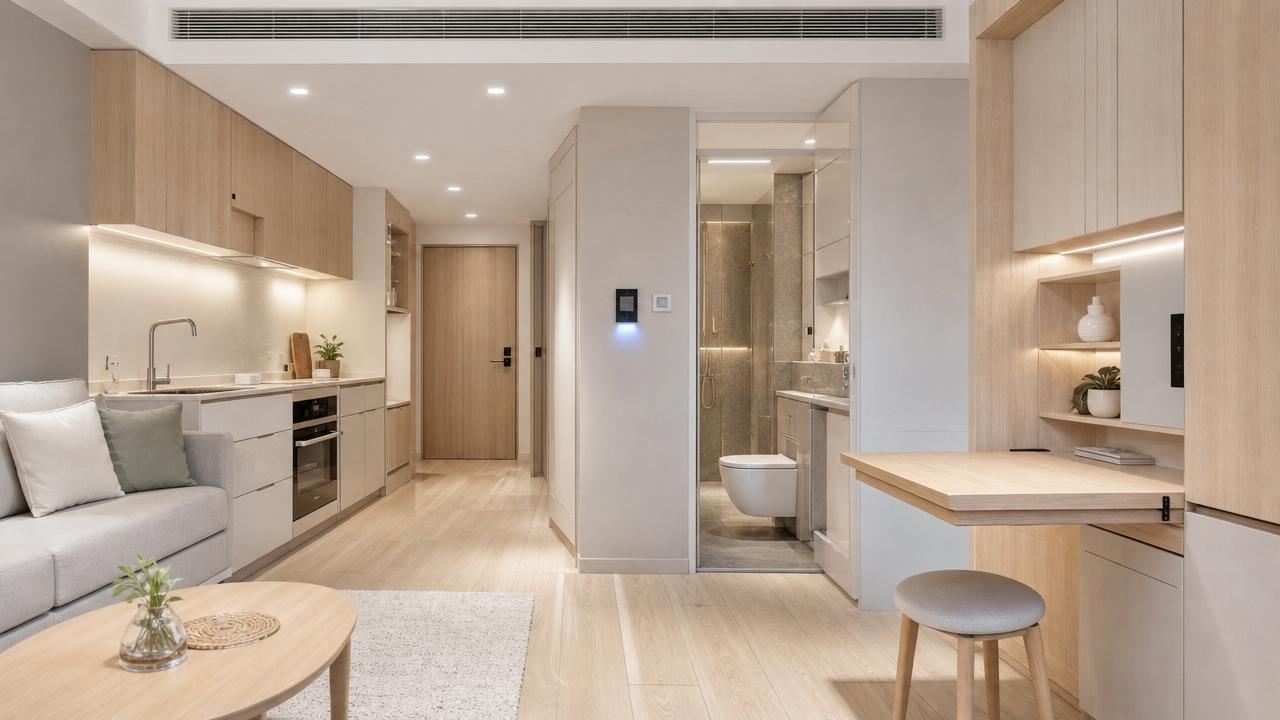
What drives residential design innovation in small homes today? The answer lies in a clear shift toward flexible, efficient, and healthier living.
As cities grow denser and housing costs rise, compact homes must do more with less space.
This pressure has made residential design innovation a practical necessity, not a stylistic trend.
Across the broader building and interiors sector, small-home design now connects architecture, materials science, smart systems, and everyday comfort.
GIAM tracks this evolution closely, especially where space planning meets advanced materials, sanitary performance, and intelligent kitchen and bath solutions.
For anyone evaluating compact living, understanding residential design innovation helps turn limited square footage into a durable, attractive, future-ready environment.
Residential Design Innovation in Small Homes: Core Meaning
Residential design innovation refers to new ways of improving how homes function, feel, and perform over time.
In small homes, that often means creating more usability without adding more area.
The idea includes layout strategy, modular furniture, integrated storage, efficient plumbing, better ventilation, and low-impact materials.
It also includes digital tools and smart home systems that reduce waste and improve control.
Effective residential design innovation is not about novelty alone.
It balances beauty, cost, maintenance, hygiene, safety, and long-term adaptability.
In compact apartments, townhouses, and micro-homes, this balance becomes especially important.
Key characteristics
- Multi-use spaces that support living, working, dining, and storage
- Built-in solutions that reduce clutter and improve circulation
- Materials chosen for hygiene, durability, and easy maintenance
- Smart kitchen and bath systems that save water and energy
- Design choices that improve daylight, airflow, and comfort
Industry Background and Current Signals
Several industry forces are accelerating residential design innovation in small homes across global urban markets.
These signals come from housing demand, sustainability targets, digital lifestyles, and changing expectations around wellness.
These drivers show that residential design innovation is now tied to measurable performance, not only visual appeal.
Compact living must support convenience while reducing resource use and maintenance pressure.
That is why GIAM places strong attention on the link between material upgrades and spatial intelligence.
What Drives Residential Design Innovation in Practice
The strongest driver of residential design innovation is the need to make every square meter work harder.
However, several practical factors shape how that goal is achieved.
1. Flexible layouts
Open plans remain useful, but they now need better zoning.
Sliding partitions, fold-away desks, and movable storage create privacy without permanent walls.
This approach supports changing daily routines and future household needs.
2. Space-saving storage
Storage is central to residential design innovation because clutter reduces both function and visual calm.
Designers now use full-height cabinetry, under-bed drawers, recessed niches, and stair-integrated compartments.
Smart storage makes small homes feel larger without changing the footprint.
3. Smarter kitchen and bath systems
Compact kitchens and bathrooms carry high functional pressure.
Water-saving fixtures, touchless controls, integrated appliances, and compact sanitary layouts improve daily use.
These systems also support hygiene and lower utility consumption.
4. Health-focused materials
Residential design innovation increasingly depends on what surfaces and finishes do over time.
Low-VOC coatings, moisture-resistant panels, anti-bacterial materials, and easy-clean ceramics improve indoor living quality.
In small homes, healthier materials matter more because enclosed volumes concentrate exposure.
5. Better environmental performance
Thermal comfort, daylight access, and ventilation strongly affect compact interiors.
Well-placed windows, reflective finishes, shading, and efficient insulation reduce discomfort and energy waste.
This makes residential design innovation relevant to both sustainability and everyday wellbeing.
Application Value Across the Building and Interiors Sector
Residential design innovation creates value beyond the home itself.
It influences product selection, project differentiation, lifecycle cost, and alignment with green building goals.
- Higher functional density improves the usefulness of compact floor plans
- Durable materials reduce replacement frequency and maintenance disruption
- Water-saving and energy-saving systems support efficiency targets
- Smarter layouts can improve occupant satisfaction and long-term adaptability
- Integrated design thinking strengthens the value of interior upgrades
For the wider industry, residential design innovation also pushes collaboration between architects, materials specialists, fixture suppliers, and technology providers.
This is where intelligence platforms such as GIAM add practical relevance.
Market signals around anti-bacterial materials, water systems, and smart locks help shape more informed spatial decisions.
Typical Small-Home Scenarios and Design Priorities
Not all compact homes need the same solution.
Residential design innovation works best when matched to lifestyle patterns and physical constraints.
This scenario-based view helps explain why residential design innovation must remain practical and context-sensitive.
A successful strategy improves movement, storage, comfort, and service access all at once.
Practical Recommendations and Cautions
To apply residential design innovation effectively, decisions should follow performance, not trends alone.
- Map daily activities before choosing layout changes.
- Prioritize storage early, not after furniture selection.
- Choose materials that balance durability, hygiene, and low emissions.
- Review kitchen and bath dimensions with plumbing efficiency in mind.
- Use smart devices only where they simplify use or save resources.
- Protect natural light and ventilation during partitioning.
There are also common mistakes to avoid.
- Overfilling small rooms with oversized furniture
- Using dark finishes without adequate lighting support
- Ignoring maintenance access behind built-in systems
- Choosing low-cost materials that age poorly in humid zones
Good residential design innovation depends on disciplined choices that combine aesthetics with long-term performance.
Next-Step Perspective for Better Small-Home Planning
Residential design innovation in small homes is driven by a simple reality: compact living must become smarter, healthier, and more adaptive.
The most effective solutions combine flexible planning, space-saving storage, efficient sanitary systems, and advanced materials.
This makes the home easier to use today while preparing it for future lifestyle and regulatory changes.
A practical next step is to evaluate any small home through four lenses: layout, storage, material health, and system efficiency.
Using that framework makes residential design innovation easier to assess and easier to apply with confidence.
For deeper insight into materials, sanitary technology, and smart kitchen and bath trends, GIAM offers a strong intelligence base for informed design decisions.
Industry Briefing
Get the top 5 industry headlines delivered to your inbox every morning.